The Fallen Idol featured an early example of product placement; in the scene where Phillipe, Baines, and Julie leave the tea shop, there is a truck in the background delivering Watneys beer. The press book sent to exhibitors upon the film's release suggested using that brief moment to get hotels and restaurants to insert Watneys-furnished menu cards touting the movie and to get off-licenses (liquor stores) to do movie-themed window displays.
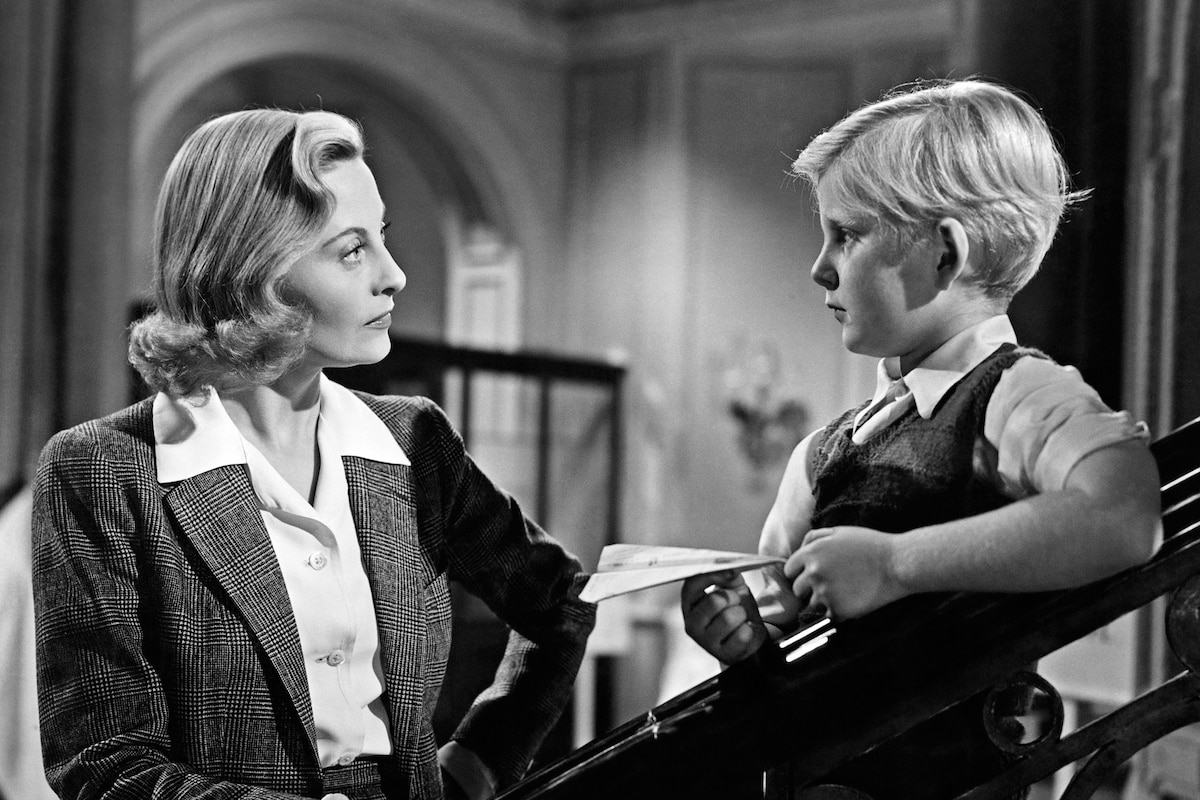
The press book for The Fallen Idol also included several suggestions for promotions, such as a photo contest featuring five-to-eight-year olds ("Britain's bonny and sturdy children") inspired by a portrait of Bobby Henrey as an "example of beautiful childhood." The book also suggested tying in with the National Savings Movement (established during World War I, similar to investing in U.S. Savings Bonds), again using a picture of the child actor, citing his role as one who experiences disappointment and disillusionment in the film. "Your children need have no fears for their future--their safeguard always--National Savings." Disappointment also figured into another promotional suggestion, a letter or postcard competition in conjunction with local newspapers in which people would write in about their biggest childhood disappointments.
The film, or perhaps more accurately Graham Greene's story "The Basement Room," on which it was based, may have influenced L.P. Hartley's 1953 novel The Go-Between. That novel is also told from the point of view of a nostalgic and emotionally diminished older man looking back on his childhood forays into a complicated world of adult sexual and social intrigue. Hartley's book was made into a film in 1970 and an opera in 1991.
In his review of The Fallen Idol during its 2006 screening in New York, Village Voice critic J. Hoberman noted various Hitchcock suspense elements and pointed out how the "mysterious interaction" Phil witnesses between Baines and Julie at the embassy early in the story "anticipates the strategies of Rear Window (1954)."
English novelist and critic David Lodge, writing program notes for the Criterion Collection DVD release of the film, suggests Greene may have been influenced by Henry James's novel What Maisie Knew, "which describes a series of interlocking adulterous affairs, divorces, and remarriages from the point of view of a sensitive but only dimly comprehending child." James was a favorite author of Graham Greene.
Bobby Henrey's mother published a book about their experiences during the film's production called A Film Star in Belgrave Square.
Baines's comment about his tea, "the cup that cheers," is from the old temperance slogan promoting tea drinking over alcohol, "The cup that cheers but does not inebriate."
During the investigation into Mrs. Baines's death, the doctor asks Phillipe, "Who do you think you are, Nick Carter?" The reference is to the pulp fiction detective who first appeared in print in 1886. Walter Pidgeon played him in the mystery movie Nick Carter, Master Detective (1939), which was later turned into a popular radio series (1943-1955).
by Rob Nixon
Pop Culture 101 - The Fallen Idol
by Rob Nixon | December 29, 2011
SIGN UP FOR OUR NEWSLETTERS

CONNECT WITH TCM