While The Snake Pit was in production, Harcourt Brace published Albert Deutsch's The Shame of the States, a searing indictment of state mental hospitals. Deutsch cited overcrowding and low recovery rates while pointing out that not a single state met the American Psychiatric Association's minimum recommendation to spend $5/day on each patient's treatment, food and housing. The national average was just $1.25/day. By his estimate, mental health cost the U.S. $1 billion a year in treatment, lost wages and lost services.
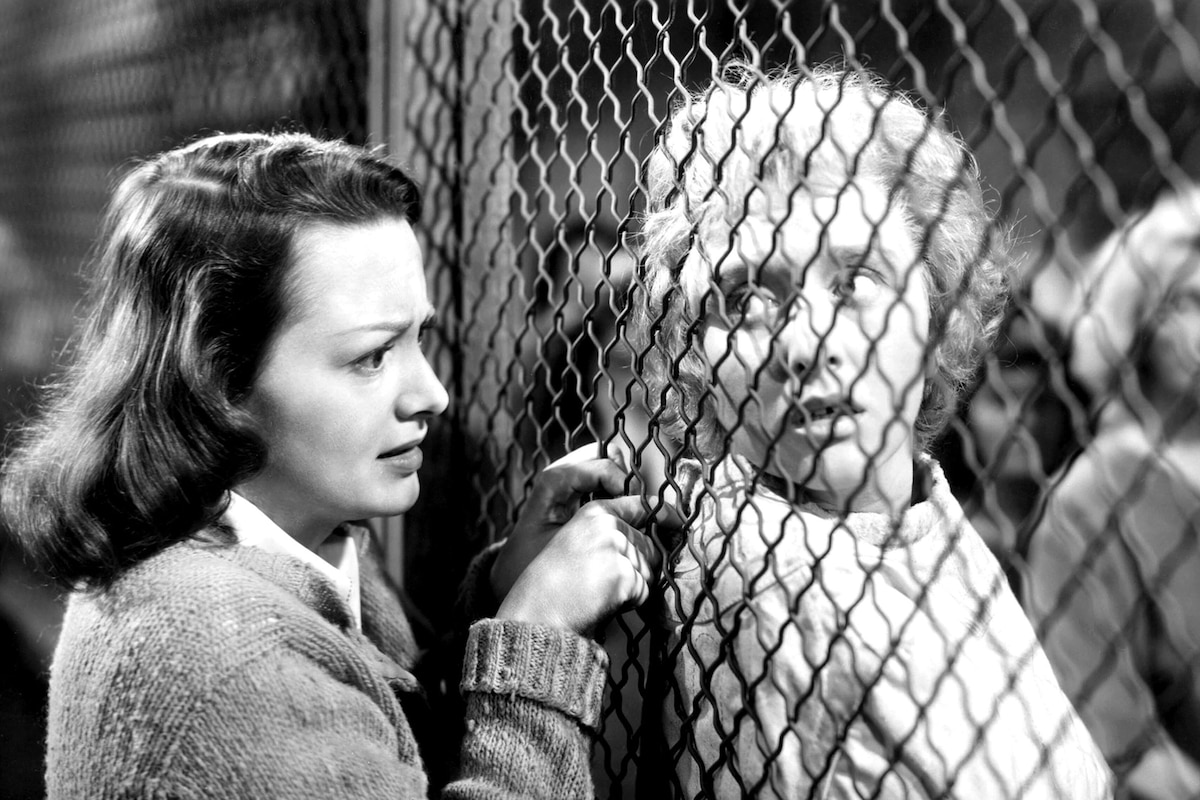
As a result of The Snake Pit's depiction of conditions in mental hospitals, 26 states passed legislation calling for reforms in procedures at state hospitals treating the mentally ill.
De Havilland, Mark Stevens and Leo Genn appeared on a Lux Radio Theatre adaptation of the film in 1950.
A 1952 screening at a Boston state hospital was reported to have a beneficial effect on the patients there. The depiction of de Havilland's recovery gave them hope that they, too, would someday be able to leave the hospital.
In the '90s, The Snake Pit began to draw fire from feminist film critics who felt that it conflated Virginia's recovery from mental illness with her willingness to return to her role as wife. This was part of a larger critique of Freudian psychoanalysis that, critics charged, equated mental health with adherence to the dominant culture's gender norms.
by Frank Miller
Pop Culture 101 - The Snake Pit
by Frank Miller | January 21, 2010
SIGN UP FOR OUR NEWSLETTERS

CONNECT WITH TCM