Arthur Miller wrote the play The Crucible as a thinly veiled rebuke to the House on Un-American Activities Committee, its witch hunt for Communist sympathizers, and the subsequent cooperation given by several of Hollywood's leading citizens to the hysteria, including Miller's former friend and colleague, Elia Kazan. To some degree, On the Waterfront was Kazan's response to this.
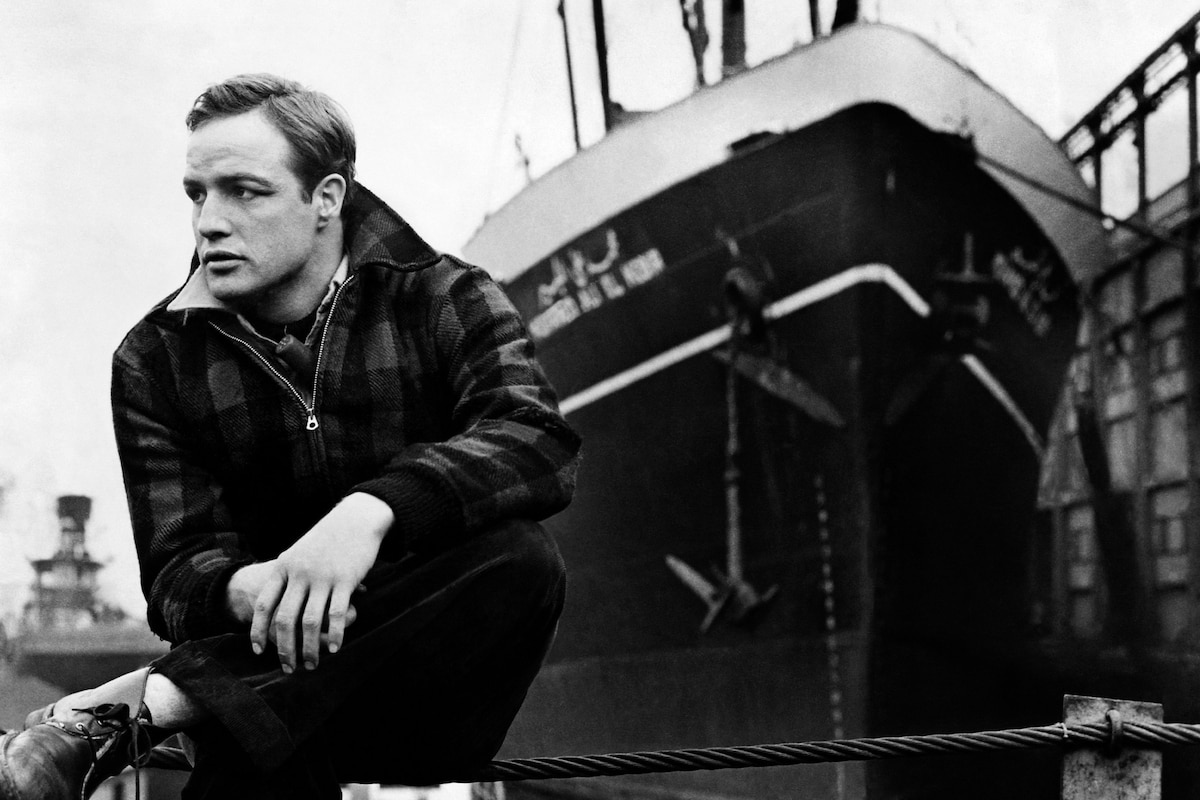
In his autobiography, director Elia Kazan claimed, "There were four reasons why On the Waterfront was such a success. Brando was one of them. If there is a better performance by a man in the history of films in America, I don't know what it is. Then there was Budd's devotion and tenacity and his talent. He never backed off. I was tough and good on the streets and persisted through all difficulties. But finally there was Sam. After the casting of the main part had been settled, the rewriting process began, and it was here, above all, that Sam showed his worth."
On the Waterfront would be the last film Marlon Brando would do with Elia Kazan, having previously worked together on A Streetcar Named Desire (1951) and Viva Zapata! (1952). However, Kazan also offered Brando roles in Baby Doll (1956), A Face in the Crowd (1957), and The Arrangement (1969).
The series of articles on which On the Waterfront is based won writer Malcolm Johnson a Pulitzer Prize.
Marlon Brando based much of his characterization of Terry Malloy on a New York street kid named Al Lettieri, who would eventually become a character actor in films. He later played Sollozzo, the rival gangster whom Michael Corleone (Al Pacino) assassinates in the pizzeria in The Godfather (1972), which also starred Brando. Lettieri also made a memorable impression as a sadistic thug in Sam Peckinpah's The Getaway (1972).
by Scott McGee
Pop Culture 101-On the Waterfront
by Scott McGee | June 03, 2003
SIGN UP FOR OUR NEWSLETTERS

CONNECT WITH TCM