SYNOPSIS
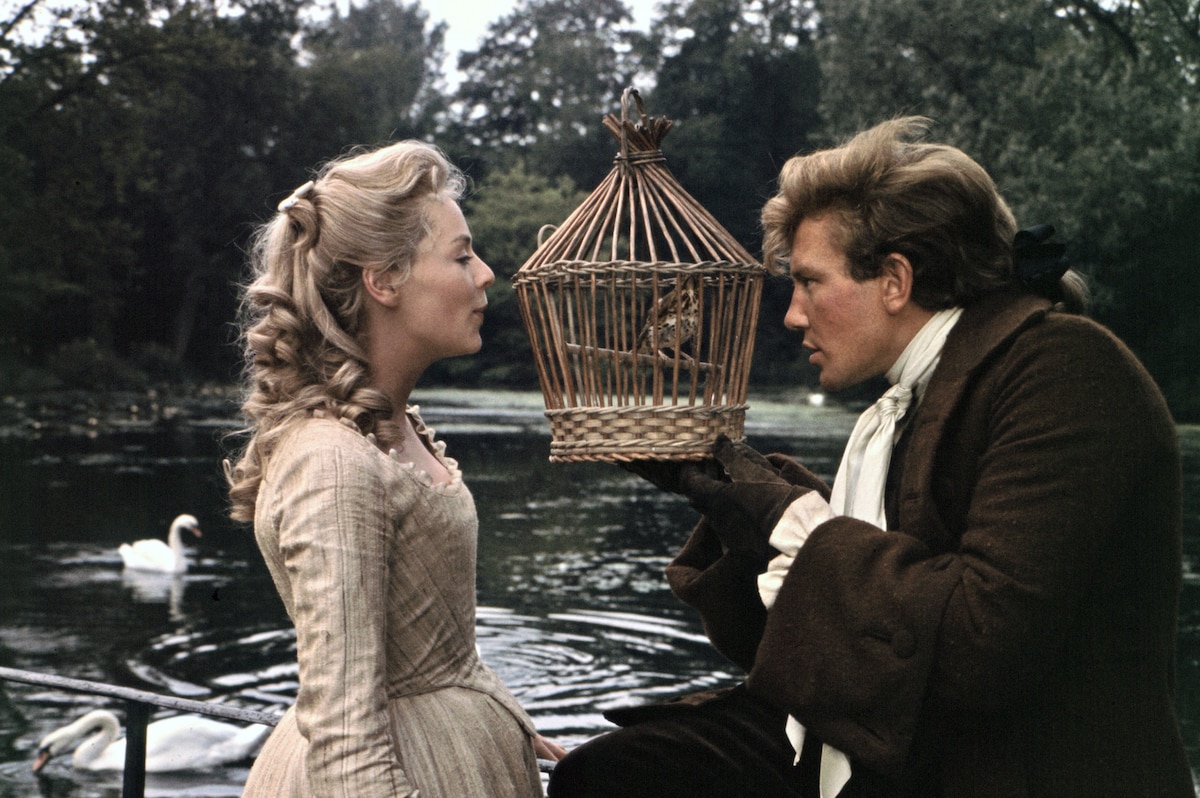
Whether or not Tom Jones, a foundling adopted by Squire Allworthy in the 18th-century British countryside, was born to be hanged is the question that follows the young man through a series of amorous encounters ranging from a country wench of easy virtue, if any, to a society woman, an older adventuress who may be his birth mother and, most important, sweet young Sophie, the daughter of the neighboring Squire Western. Tom's efforts to win his one true love put him in the path of his jealous stepbrother, reckless highwaymen, bumbling law enforcement officers and a string of seductive females as he travels to London in search of his fortune.
Director-Producer: Tony Richardson
Screenplay: John Osborne
Based on the novel by Henry Fielding
Cinematography: Walter Lassally
Editing: Anthony Gibbs
Art Direction: Ralph Brinton
Music: John Addison
Cast: Albert Finney (Tom Jones), Susannah York (Sophie Western), Hugh Griffith (Squire Western), Edith Evans (Miss Western), Joan Greenwood (Lady Bellaston), Diane Cilento (Molly Seagrim), George Devine (Squire Allworthy), David Tomlinson (Lord Fellamar), Joyce Redman (Mrs. Waters/ Jenny Jones), Angela Baddeley (Mrs. Wilkins), Peter Bull (Thwackum), Rachel Kempson (Mrs. Seagrim), Wilfrid Lawson (Black George), Jack MacGowran (Partridge), Patsy Rowlands (Honor), David Warner (Bilfil), Lynn Redgrave (Susan), Micheal MacLiammoir (Narrator), Julian Glover (Northerton)
C-131m.
Why TOM JONES is Essential
The success of Tom Jones triggered a revival of commercial interest in the British cinema that brought large amounts of U.S. capital into the country as producers tried to make lightning strike twice.
Although the film did not mark his screen debut, Tom Jones made Albert Finney a star, leading the way to a long, still active career of outstanding performances as a leading man on screen.
With its combination of broad comedy and period manners, Tom Jones brought an end to the English Free Cinema movement, often associated with "kitchen sink" dramas about "angry young men," at which director Tony Richardson and screenwriter John Osborne had excelled. Instead, the British film industry moved toward more escapist entertainment focusing on a lighthearted view of Great Britain's past and generous helpings of sexual innuendo.
The speed with which director Tony Richardson presented the film and his incorporation of such eclectic devices as undercranking, fast wipes and asides to the camera, paved the way for a more visual approach to British filmmaking, making it possible for such frenetic filmmakers as Richard Lester (A Hard Day's Night, 1964) and Karel Reisz (Morgan: A Suitable Case for Treatment, 1966) to find an audience.
Tom Jones's carefree attitude towards sex, which at one point suggests that the title character had been seduced by his own mother, helped set the more casual tone for "the swinging '60s," epitomized by the British invasion of pop music and fashion.
by Frank Miller
The Essentials - Tom Jones
by Frank Miller | July 01, 2009
SIGN UP FOR OUR NEWSLETTERS

CONNECT WITH TCM