In the 1930s, while the Hollywood studios gagged in the clutches of the Production Code Administration (the regulatory authority that they themselves created), rogue filmmakers outside the system brazenly delved beyond the boundaries of good taste. These early indie filmmakers exploited the public's appetite for all things taboo. It was their philosophy that any display of vice could be depicted as long as it was packaged as a treatise on society's burning issues: venereal disease, polygamy, birth control, child marriage, drug abuse, prostitution, etc. This semi-underground movement -- now known as the exploitation film -- yielded such low-budget classics as Reefer Madness (1936), Sex Madness (1938), and Marihuana: Weed with Roots in Hell (1936).
The quality of these bottom-feeding films was generally well beneath the standards of Hollywood's so-called Poverty Row studios, but a few films stood out from the rest. One such film was producer Willis Kent's The Road to Ruin (1934). Compared to the jalopies that typified the genre, The Road to Ruin was a cinematic Cadillac.
Exploitation films seldom lived up to their salacious titles, but The Road to Ruin delivered what it promised: a sordid drive down the path of moral and physical degradation, capped off with just enough of a moral lesson to alleviate any guilt the viewer might feel for watching such a decadent display.
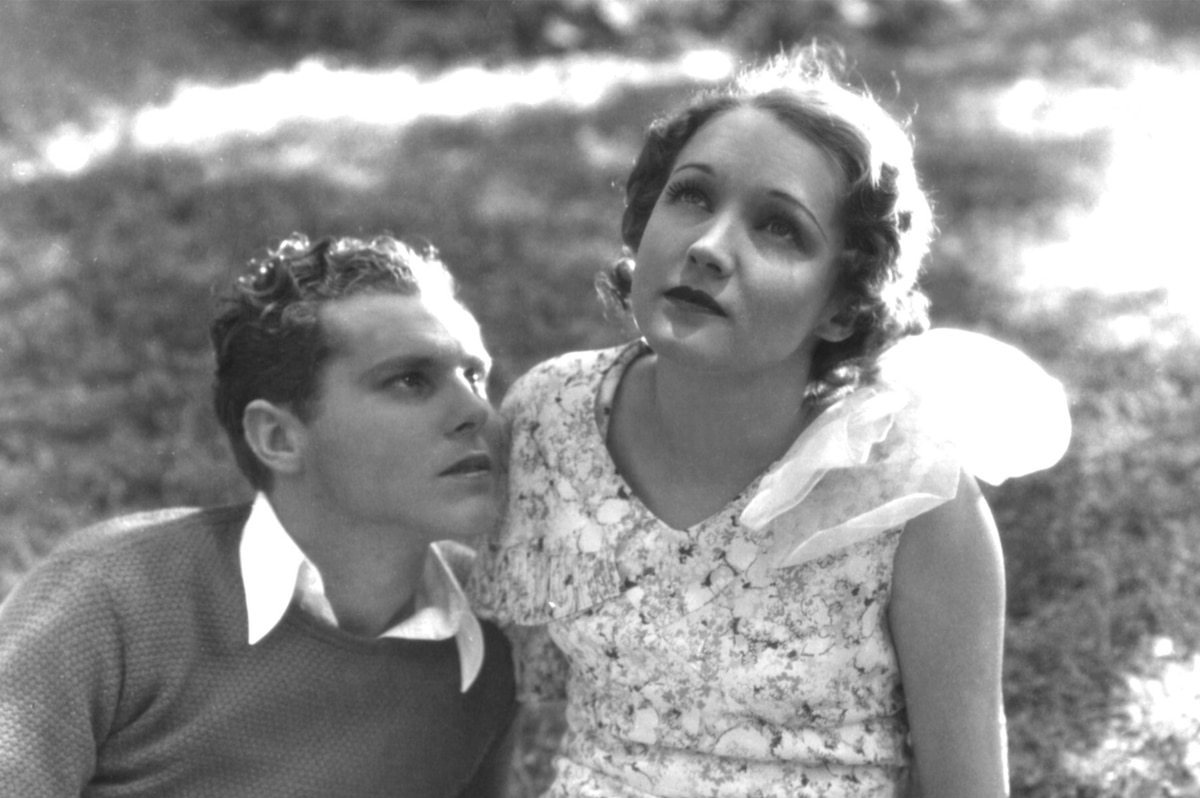
A devastating attack on teen promiscuity, The Road to Ruin begins on an idyllic spring day, as a trio of high schoolers gather at the home of Eve Monroe (Nell O'Day), where they steal a few sips of alcohol and experiment in light petting. Since Tommy (Glen Boles) is stuck being the third wheel, they plot a way for the likable Ann Dixon (Helen Foster) to join their clique.
Eve invites Ann to a sleepover at her house and, while the decadent Mrs. Monroe presides over a cocktail party, the girls engage in a bit of innocent experimentation: reading passages of a risqué novel, puffing a cigarette, sipping leftover spirits. Every subsequent episode finds Ann wandering further and further from the straight and narrow. She allows Tommy to steal a kiss, and then take her for a walk in the woods, after which she is shown sobbing on the ground in shame. "Please don't blame me for... what happened," he pleads, professing his love.
Before long, the teen couples are dining at a roadhouse known as "The Lodge." While the jazz band serenades the crowd (and Tommy drowses from too much alcohol), Ann falls under the gaze of slick seducer Ralph Bennett (Paul Page). Under Ralph's tutelage, Ann graduates to the mature pleasures of wine, cigarettes and upscale cocktail parties (where he introduces her to a magic elixir he calls "Cupid's Brew").
Ann reaches her moral low point at a wild party highlighted by strip craps, a woman "shake" dancing, and a moonlight swim in the nude. The police raid the party and Ann is taken to the Girls Detail of the Crime Prevention Division. There, a stern but understanding Mrs. Merrill (Dorothy Davenport) orders physical evaluations. Both Ann and Eve are labeled "Sex Delinquents." Ann gets a clean bill of health, but Eve's "Wasserman" test comes back positive (indicating syphilis).
Though Ann dodges the bullet of disease, she is hit head-on by pregnancy. When she tells Ralph, he takes her to a backstreet abortionist. Once Ann's "trouble" is taken care of, Ralph moves on to other matters: arranging young women to attend a wild party to help seal a shady business deal. Meanwhile, Ann returns to the proper path, but is haunted by her wayward past, developing a fever that threatens to destroy the tentative health and happiness she has found.
The most shocking element of The Road to Ruin is not its scenes of skinny-dipping, Depression-era alcohol abuse, or its thinly-veiled references to unwed pregnancy and abortion. No, the real shocker is that The Road to Ruin delivers an unexpected emotional impact. Even those camp enthusiasts who view the film with ironic detachment may be surprised to find a lump in the throat during the film's graceful and tragic denouement.
Director: Mrs. Wallace Reid, Melville Shyer
Producer: Willis Kent
Screenplay: Mrs. Wallace Reid
Cinematography: James Diamond
Cast: Helen Foster (Ann Dixon), Nell O'Day (Eve Monroe), Glen Boles (Tommy), Bobby Quirk (Ed), Paul Page (Ralph Bennett), Virginia True Boardman (Mrs. Dixon), Richard Hemingway (Mr. Dixon), Mae Busch (Mrs. Monroe), Dorothy Davenport (Mrs. Merrill), Fern Emmett (nosy neighbor).
BW-62m.
by Bret Wood
The Gist (Road to Ruin) - THE GIST
by Bret Wood | August 20, 2008
SIGN UP FOR OUR NEWSLETTERS

CONNECT WITH TCM