Sydney Pollack studied acting with acclaimed acting coach Sanford Meisner and, indeed, desperately wanted to be an actor. After serving his required time in the army, he even became Meisner's assistant and his dreams of being a successful stage actor continued. That's when his friend, John Frankenheimer, called him up in 1960 and asked him a favor. Frankenheimer was directing The Young Savages, starring Burt Lancaster, and wanted someone who knew a thing or two about acting, namely Pollack, to fly out to Los Angeles and work with the young actors in the movie. Pollack agreed and it would forever change his life.
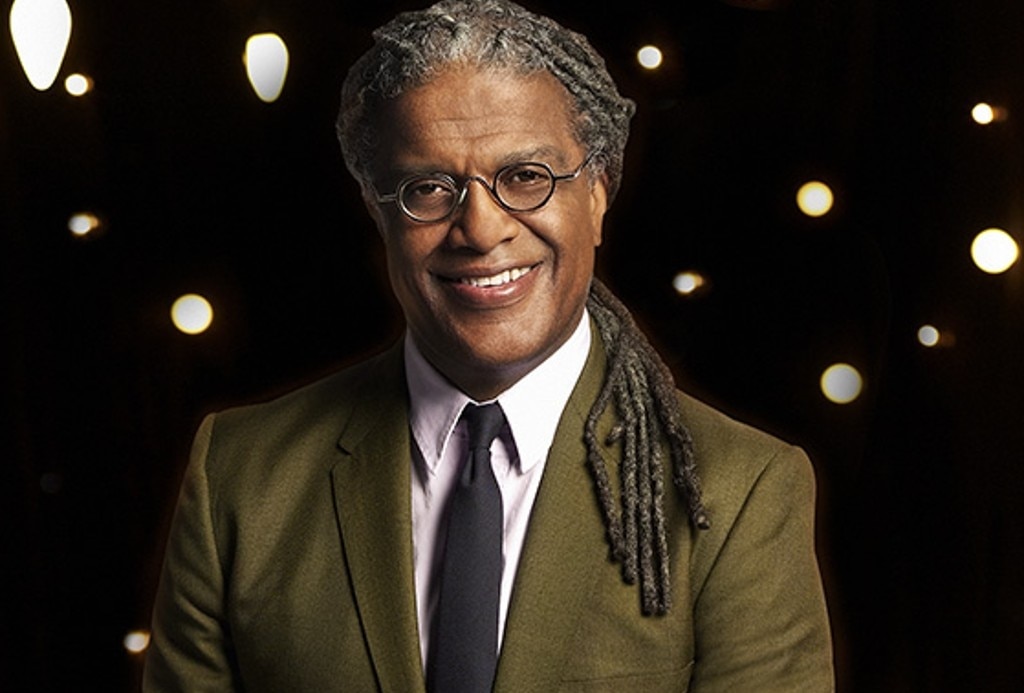
Sitting down with Elvis Mitchell for an insightful and entertaining interview, Pollack relates the story of how it came to pass. Lancaster was so impressed with Pollack's work as an acting coach that he told him he should be a director. Pollack was, at first, hurt. He thought Lancaster was saying that Pollack was such a bad actor that he should try directing instead. Of course, that's not what Lancaster meant and it quickly became clear to Pollack. That's when Lancaster, at the top of his fame and power, called up Lew Wasserman himself, at the time heading up Universal Pictures, and told him that he had a kid named Pollack who Wasserman should hire as a director. "He's never directed anything," Lancaster said, "but he's got to be better than those bums you got over there." The very next year he was directing tv episodes and within five years, was helming This Property Is Condemned (1966) with Natalie Wood and Robert Redford. After that, it only got better.
The career of Sydney Pollack spanned five decades and produced some of the best movies in every decade he was active. His conversation with Mitchell covers all of it but also his own personal views of how the movies are made, what works, what doesn't, and how to figure out everything in between. Talking about how he viewed the movies as a kid, and how the movies changed before he became involved with them, he cites Humphrey Bogart and James Cagney to make his point. He talks about how when he was a teenager, watching movies with actors like Bogart and Cagney, it never occurred to him or his friends that they shouldn't idolize the actors because they were adults in their forties. He and his friends never thought, "I wish there were more movies about teenagers." Movies were an escape, a chance to see something you couldn't see in your own life. Pollack wasn't looking for the actors in movies, or the movies themselves, to mimic his existence. Then, as Mitchell points out, movies like Rebel without a Cause (1955) came about and suddenly, teenagers didn't wear suits. They wear tee shirts and windbreakers. They felt alienated from adults. Pollack takes it from there.
Actors, he said, began to lose that other-worldly feel. No one really looked like Clark Gable or Cary Grant and by the late sixties, we had travelled from James Dean to Dustin Hoffman and now, actors you saw in movies looked just like some guy you might run into at the drugstore. They talked like you talked. Dressed like you did. Lived in places like you did. And suddenly, Pollack says, the movies were about us. He doesn't lament it, just makes the observation but underneath, you can tell he thinks we lost something along the way.
Pollack directed most of those common looking actors, like Hoffman, but also worked with Burt Lancaster, Natalie Wood, and Robert Redford, actors that would easily fit into his statement about the actors looking and feeling different. Those actors belonged just as much to the canon of Hollywood Royalty as Gable or Grant but Pollack found a way to bring them forward into the modern age and make it work. He even managed to transform Robert Redford into a mountain man for a modern take on life in the wilderness. Later he would work with Redford again (several times, in fact) on one of the best thrillers of the seventies, Three Days of the Condor (1975) and talks about what and what not to do when making a thriller.
Of course, the title of the series is Under the Influence, and host Elvis Mitchell asks Pollack plenty of questions about his own personal influences as well as who Pollack thinks he may have influenced. And since Mitchell is an expert on film, he knows exactly how to engage Pollack after every answer, which not only keeps the conversation lively, but enlightening as well. Sadly, Sydney Pollack died just before this episode debuted. However, the very existence of it points to the importance of conversations like this with artists as both a learning experience and a tribute before it's too late. For any fan of Sydney Pollack, or just a fan of the cinema in general, TCM Presents Elvis Mitchell: Under the Influence with Sydney Pollack is a must see.
Director: Robert Trachtenberg
Producer: Tom Brown, Hadley Gwin, Scott Silver
Editing: Heidi Scharfe
Cast: Elvis Mitchell, Sydney Pollack
By
Greg Ferrara
Under the Influence With Elvis Mitchell - Sydney Pollack
by Greg Ferrara | April 21, 2008
SIGN UP FOR OUR NEWSLETTERS

CONNECT WITH TCM