Because of the low budget given to Rocky, producers Robert Chartoff and Irwin Winkler knew they had to find an experienced director who could work quickly and efficiently but not demand a huge salary. They found their ideal man in John G. Avildsen. A cinematic jack-of-all-trades, Avildsen had risen through the ranks as an editor, cinematographer, production manager, and assistant director. He had directed two acclaimed movies - Joe (1970) and Save the Tiger (1973) - on small budgets and actually preferred to work that way. In fact, he had reportedly taken the unprecedented step of trying to cut the budget on his film W.W. and the Dixie Dance Kings (1975), a move that alienated the picture's star, Burt Reynolds. Avildsen was so excited about Rocky, he reduced his usual salary to about $50,000 and a percentage of the profits.
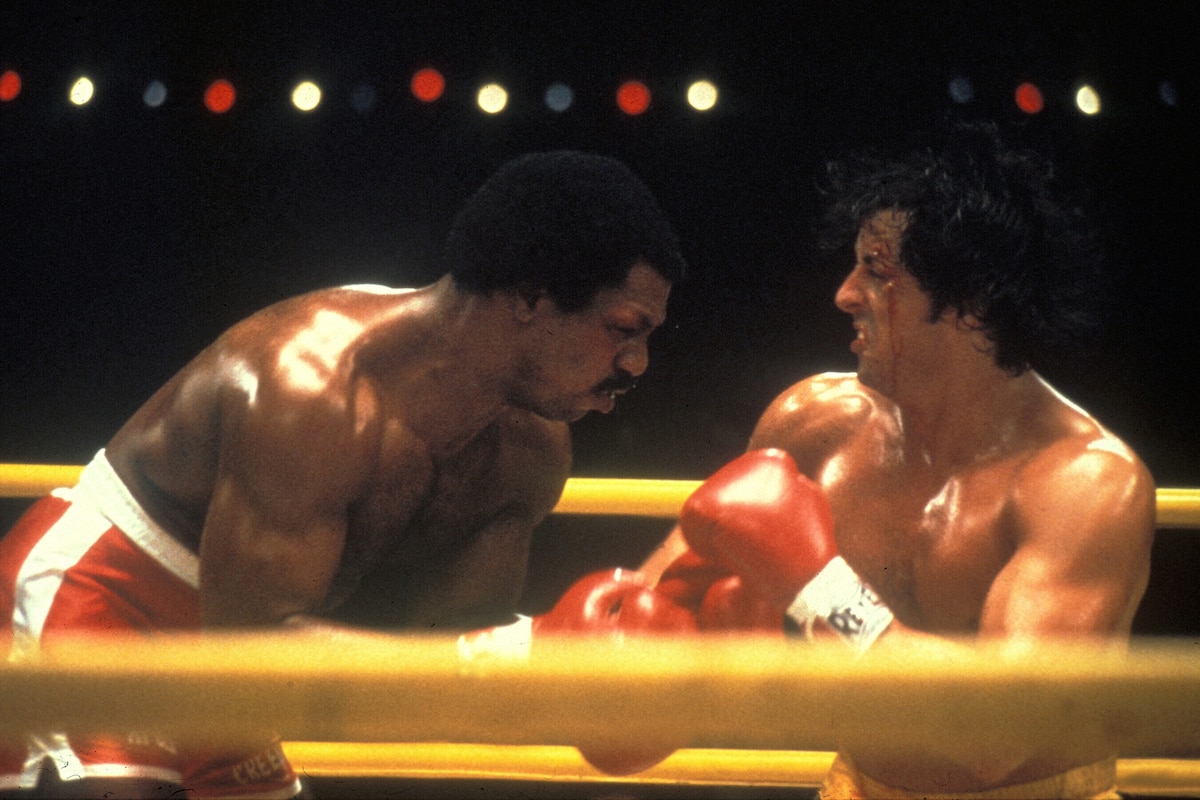
The next step was casting the picture with strong actors willing to work for low pay. They hired a group of mostly unknowns, including football star Carl Weathers as the Muhammad Ali-inspired Apollo Creed. The only real name in the cast was Burgess Meredith, a veteran of stage and screen who was now specializing in character parts. But Stallone and Avildsen knew the key role after Rocky himself was Adrian, the painfully shy girl who blossoms in her relationship with the boxer. They found their ideal actress in Francis Ford Coppola's younger sister, Talia Shire, not quite an unknown (she had appeared in her brother's The Godfather in 1972 and The Godfather Part II in 1974, the second earning her a Best Supporting Actress Oscar nomination) but not a major star who would adversely affect the budget or overshadow her less-experienced co-star. Shire was eager to break out of the shadow of her big brother and jumped at the chance to play Adrian, even for the meager $7,500 she was offered. She admired Stallone and the story he created. "He calls himself an intellectual caveman," she said. "I think he sort of fancies himself as Stanley Kowalski, but, oh boy, is he a creative, sympathetic person."
But Avildsen didn't always find Stallone quite so sympathetic. The actor knew what he had riding on the project and drove himself to get into the right mental and physical shape to play the part. He changed his diet and undertook a tough work-out regimen that mirrored the training real boxers go through. Director and star got into frequent arguments over certain scenes during shooting in Philadelphia and Los Angeles, but usually resolved their differences with Stallone giving in to Avildsen's greater experience and expertise. The movie was completed within budget in 28 days ("the gestation time for a water bug," Stallone said). But even though it was not part of his deal, Stallone haunted the editing room while Avildsen assembled the rough cut, and continued to make unsolicited recommendations on how to improve the film. The director didn't like his star's meddling, but he found an unexpected bonus in Stallone's presence. There were several scenes with background voices on TV screens and over loudspeakers that normally would have to be dubbed by paid actors. Stallone did them for free, a service appreciated by director and money-conscious producers.
Sources reported, however, that Stallone and Avildsen nearly came to blows over the film's ending. Stallone wanted Creed to be the clear winner of the fight as a way of showing there are other victories for Rocky, but Avildsen cut the conclusion in such a way that preview audiences were not sure who had actually been declared the champ. They did agree, however, on the resolution to the Rocky-Adrian story. On viewing the rough cut, it was clear there was something missing. Adrian had more or less faded from the movie as the focus switched to the big fight with Apollo Creed. So a re-shoot was scheduled, and this time she comes into the arena to watch the last rounds of the match. When it's over, they call out to each other over the noise of the crowd, and Rocky walks away from the ringside frenzy to find her and take her hand. This was the upbeat ending Stallone wanted for his hero. But even though most differences were worked out amicably, Stallone felt he knew the characters and story better than anyone, so with his new-found clout, he took on the directing chores for the next three sequels. Avildsen only returned to the helm for the final film in the series, Rocky V (1990).
by Rob Nixon
Behind the Camera (Rocky)
by Rob Nixon | February 09, 2009
SIGN UP FOR OUR NEWSLETTERS

CONNECT WITH TCM