SYNOPSIS
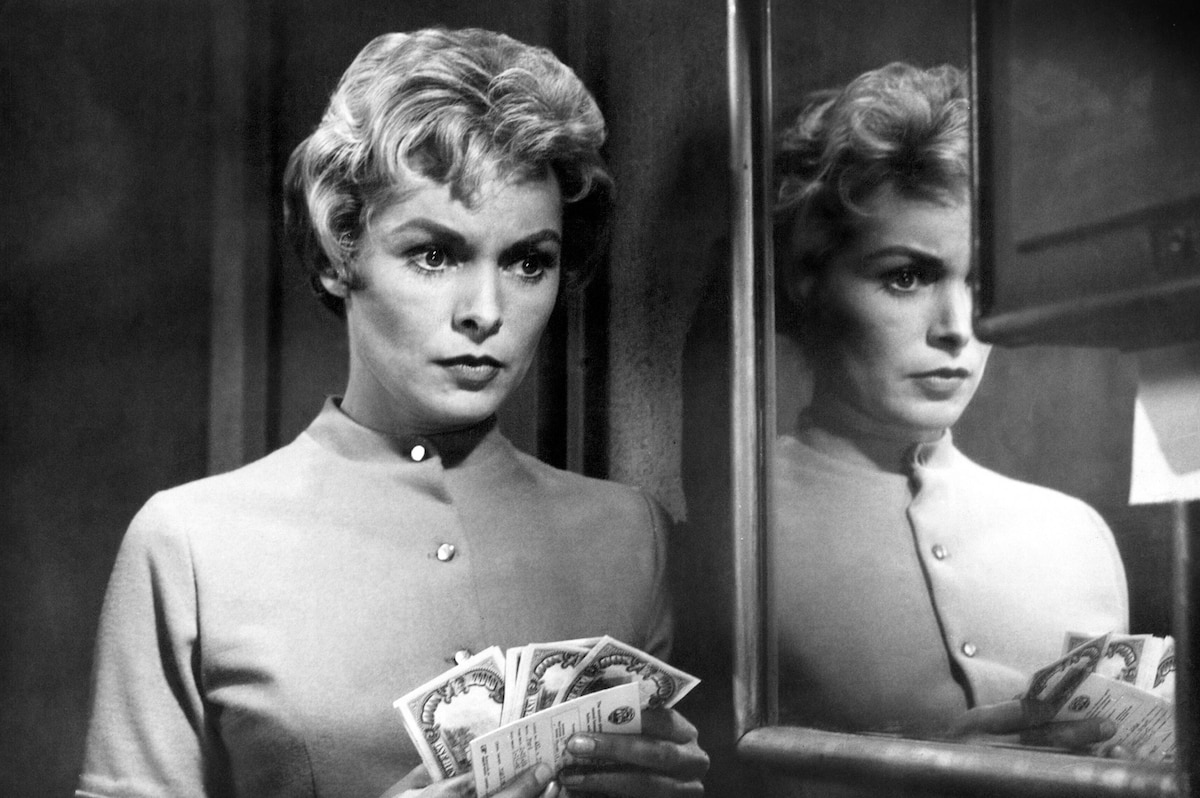
Marion Crane lives a discontented life in Phoenix, working at a dull job for a real estate company and carrying on an illicit affair with Sam Loomis, who lives in California. Deciding to take a bold step for her future, Marion steals $40,000 from her office and heads west to start a new life with Sam. Exhausted and driven off the main highway by a fierce storm, Marion checks into a deserted motel displaying a vacancy sign. She is befriended by the shy, nervous manager, Norman Bates, who lives in the old house next door with his domineering, invalid mother. After sharing a light supper and conversation with Norman, Marion decides to take the money back. [Spoiler alert] But while taking a shower, she is brutally stabbed to death by a knife-wielding figure. Norman discovers Marion's dead body and, to cover what he believes is his mother's crime, puts the corpse in her car and sinks it in a swamp. The next day, however, there are others to contend with: Marion's erstwhile boyfriend Sam, her sister Lila, and Arbogast, an investigator hired by Lila to find her. And then there's Mother who....isn't quite herself these days.
Director: Alfred Hitchcock
Producer: Alfred Hitchcock
Screenplay: Joseph Stefano, based on the novel by Robert Bloch
Cinematography: John L. Russell
Editing: George Tomasini
Art Direction: Robert Clatworthy, Joseph Hurley
Original Music: Bernard Herrmann
Cast: Janet Leigh (Marion Crane), Anthony Perkins (Norman Bates), Vera Miles (Lila Crane), John Gavin (Sam Loomis), Martin Balsam (Milton Arbogast).
BW-109m. Letterboxed. Closed captioning.
Why PSYCHO is Essential
Psycho is more than familiar to us today; it is one of those pop culture artifacts that has seeped far into the general consciousness and vernacular. Who hasn't, at some point, jokingly made a stabbing motion accompanied by a vocal imitation of those shrieking violins, or regarded with trepidation a rundown motel off the beaten path? It may be difficult, then, to recall just how shocking, even revolutionary, it seemed in 1960. Here was a very popular and respected director of suspenseful entertainments turning away from big budget Technicolor productions to make what looked and felt like a low budget exploitation film with suggestions of illicit sex, nudity, transvestism, and insanity; some conservative reviewers even accused it of being pornographic. Perhaps most audacious of all, Hitchcock killed off his star less than halfway through the story in a moment of horrific violence so artfully done that audiences swore they saw more than was actually shown; some even believed the film had switched from black-and-white to color revealing the victim's red blood gushing from deep knife wounds. Psycho was the most talked about movie of its day, and nearly fifty years later, film lovers still discuss it. Despite one critic's dismissal of it as a "miserable peep show," it was a huge box office success at the time of its release despite generally mixed reviews, and has attained the status of true classic.
What's remarkable about Psycho, however, is that no matter how many times we've seen it and are fully aware of all the twists and shocks Hitchcock urged us not to reveal during its initial run, the film still has the power to jolt us. It also continues to make viewers laugh (it works as a black comedy and a horror flick) and at the same time move and fascinate us. It works so well because Hitchcock is an expert at manipulating an audience's identification and point of view like no other filmmaker before him. He makes us voyeurs to a tawdry sexual liaison, then complicit in a theft, and eventually co-conspirators in a tense escape. Just when our identification with and sympathy for the "main" character is at its highest, he tears the very screen apart, removing this central figure in a single, shocking scene. It abruptly ends the plot we thought we were following, and transfers our point of view to that of a psychotic killer.
Hitchcock put it best when he said that viewers of Psycho are "aroused by pure film." Beyond the story, beyond the characters, beyond the themes critics have read into it and the influence it has had on succeeding generations of filmmakers, what carries us along is cinematic technique at its most inventive. It is so skillful and wickedly playful that we return to it again and again, delighting in its brilliant execution. Just ask director Gus Van Sant, who made an experimental near shot-for-shot remake/homage in 1998.
One last essential ingredient in Psycho's success must be mentioned when discussing the picture and that is Bernard Herrmann's unforgettable score. Hitchcock himself admitted that at least a third of the movie's impact depended on the music. Like the film as a whole, the score has been imitated, parodied, referenced innumerable times, and absorbed into the cultural subconscious. The music for Psycho is a prime example of one of the most successful and masterly collaborations between director and composer in film history.
by Rob Nixon
The Essentials - Psycho
by Rob Nixon | January 04, 2008
SIGN UP FOR OUR NEWSLETTERS

CONNECT WITH TCM