SYNOPSIS
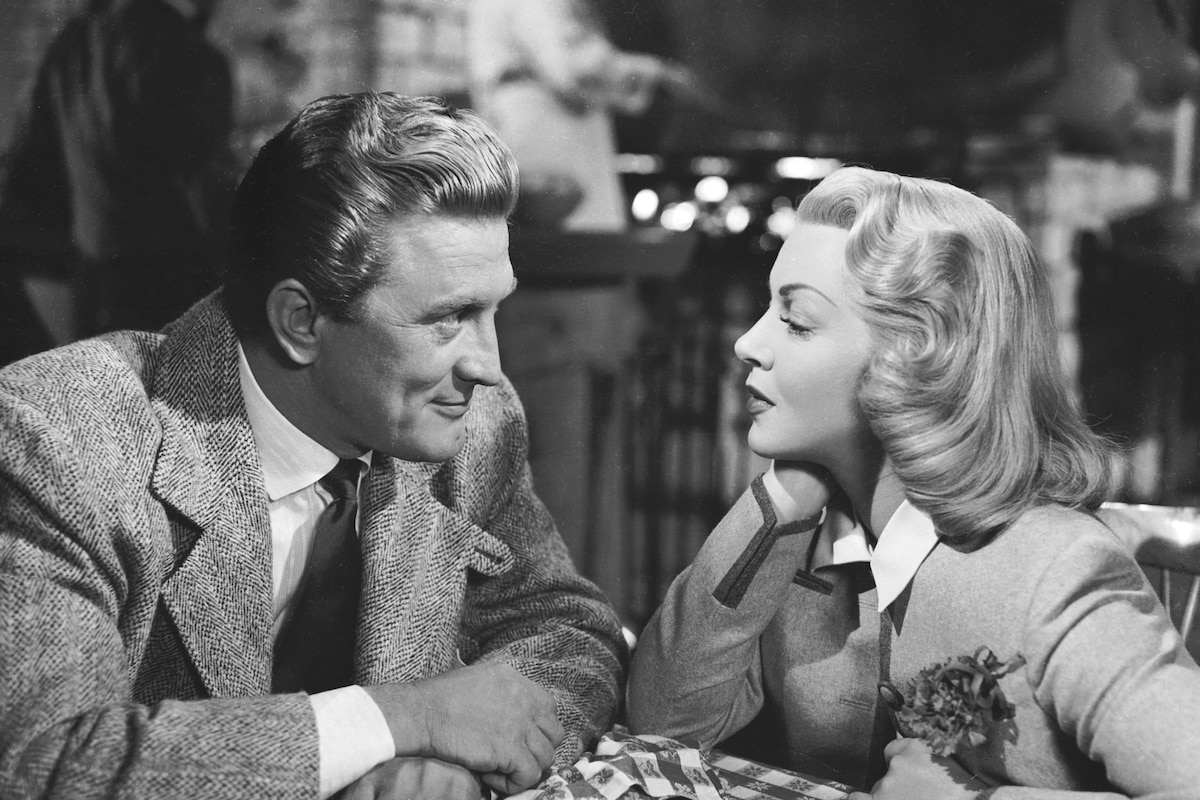
Jonathan Shields (Kirk Douglas), an unscrupulous producer, takes his colleagues to new heights professionally while using and abusing them on a personal level. His studio on the brink of bankruptcy, Shields tries to lure back the star, director and writer he betrayed most brutally. Will they desert him or give him one last shot at glory -- and another chance to break their hearts? With plot elements lifted from Hollywood gossip and real life incidents, The Bad and the Beautiful has kept audiences guessing for decades about the inspirations for its twisted tale of the dream capital's seamier side.
Director: Vincente Minnelli
Producer: John Houseman
Screenplay: Charles Schnee
Based on a story by George Bradshaw
Cinematography: Robert Surtees
Editing: Conrad A. Nervig
Art Direction: Cedric Gibbons, Edward Carfagno
Music: David Raksin
Cast: Lana Turner (Georgia Lorrison), Kirk Douglas (Jonathan Shields), Walter Pidgeon (Harry Pebbel), Dick Powell (James Lee Bartlow), Barry Sullivan (Fred Amiell), Gloria Grahame (Rosemary Bartlow), Gilbert Roland (Victor "Gaucho" Ribera), Leo G. Carroll (Henry Whitfield), Vanessa Brown (Kay Amiell), Paul Stewart (Syd Murphy), Elaine Stewart (Lila), Ivan Triesault (Von Ellstein), Kathleen Freeman (Miss March), Steve Forrest (Leading Man), Francis X. Bushman (Eulogist), Madge Blake (Mrs. Rosser), Kaaren Verne (Rosa), Bess Flowers (Joe's Friend at Party), Louis Calhern (Voice on the Recording), Barbara Billingsley (Evelyn Lucien), Franklyn Farnum (Assistant on Set), Ned Glass (Wardrobe Man), Dabbs Greer (Studio Lighting Technician), May McAvoy (Pebbel's Secretary).
BW-118m. Closed captioning. Descriptive Video.
Why THE BAD AND THE BEAUTIFUL is Essential
Made just two years after Sunset Boulevard (1950), The Bad and the Beautiful helped spearhead a '50s re-examination of Hollywood on screen. Where earlier films had dealt with filmmaking from a comic or romantic perspective, these two movies pointed the way toward more critical and vitriolic views of the movie capital.
After years of musicals and comedies, The Bad and the Beautiful presented director Vincente Minnelli the first chance to explore one of his central themes, the frustration of dreams, in a serious context.
Although Minnelli had earlier worked on the failed melodrama Undercurrent (1946), The Bad and the Beautiful brought him his first success in a genre that would often eclipse his more famous musicals in terms of critical praise and analysis. With later melodramas such as Some Came Running (1958) and Home from the Hill (1960), he would earn a place as one of the screen's leading auteurs.
The film was also the first in which Minnelli and producer John Houseman explored the Freudian concept that art could be used as a release for repressed psychic energy. They would follow it with The Cobweb (1955), Lust for Life (1956) and Two Weeks in Another Town (1962).
The film's five Oscars® remain a record for a movie not nominated for Best Picture.
The Bad and the Beautiful marked the start of a three-film partnership between Minnelli and actor Kirk Douglas. They would also join forces for Lust for Life, arguably Douglas' best performance, and Two Weeks in Another Town.
by Frank Miller
The Essentials - The Bad and the Beautiful
by Frank Miller | January 03, 2008
SIGN UP FOR OUR NEWSLETTERS

CONNECT WITH TCM