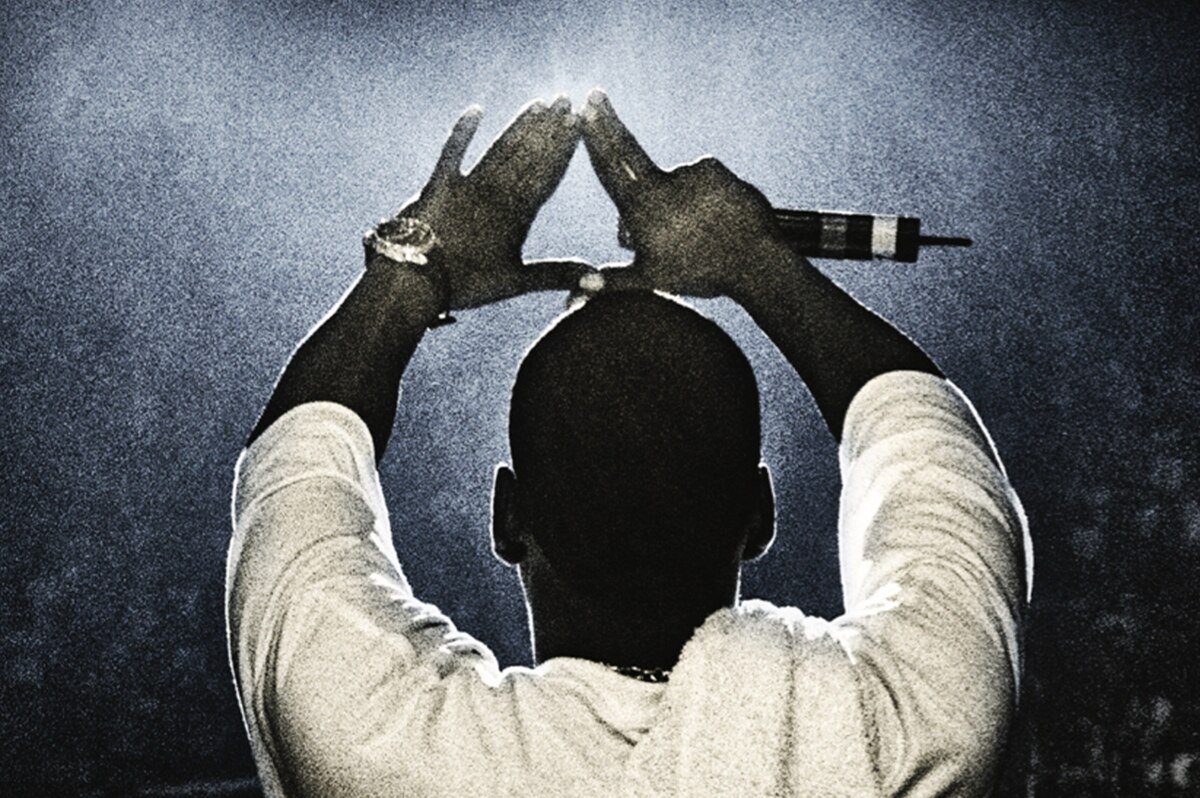
Movie stars were once the apex of American success: glamorous, rich and untouchable. Some still are, but time and culture have shifted. Hip-hop and rap sensations of the last 30 years have redefined ostentatious success, bridging economic and racial boundaries. Born Shawn Corey Carter, the rapper known as Jay-Z founded his own record label in the mid-1990s. He's one of the all-time best-selling recording artists and has the most Grammys of any rapper. Jay-Z has both appeared in and produced movies. He has constructed a personal economic empire, with his own line of clothing, a sports bar chain and a part ownership in a sports team. In 2003, Jay-Z produced and headlined a farewell concert at Madison Square Garden, with guest performers Mary J. Bilge, R. Kelly, Beyoncé, Usher, Foxy Brown, Diddy and Missy Elliott. The 2004 documentary Fade to Black combines concert coverage of the big night with behind-the-scenes footage of the production of his The Black Album. Between the high-powered stage performances and recording studio scenes, the camera spends plenty of time observing Jay-Z's expansive personality. When not inventing lively, dynamic rhymes, he explains the method to his madness. The rapper is not shy: he also narrates. The directors are the busy music specialists Patrick Paulson and Michael John Warren (Free Meek, 2019). "Farewell" concert or not, Jay-Z's appearances continued almost without a break. The movie was released just as the superstar was moving on to new albums and new concerts and engaging in a highly publicized feud with R. Kelly. A high-tech wonder to equal the best of rock concert movies, Fade to Black is judged by many to be the best hip-hop concert film. The man all but glows with self-confidence and success and the audience basks in it.
By Glenn Erickson
Fade to Black
by Glenn Erickson | August 20, 2020
SIGN UP FOR OUR NEWSLETTERS

CONNECT WITH TCM