Stanley Kramer had started his career in 1948 with a failed comedy called So This Is New York. After years of first executive producing and then directing and producing message pictures, including The Defiant Ones (1958), Inherit the Wind (1960) and Judgment at Nuremberg (1961), Kramer decided to attempt another comedy when writer William Rose presented him with a one-page outline for a slapstick epic about greed. He would later say that he hoped people would remember how un-funny his first film had been and appreciate how much he had learned about comedy in the ensuing 15 years.
Kramer's stated goal to was to make the biggest slapstick comedy ever made, "a comedy to end all comedies".
Kramer and Rose planned the script development carefully so they would be ready to shoot by the summer of 1963, a time when most comedians would be free from television, film and stage commitments.
The film's original title was Something a Little Less Serious, a reference to Kramer's reputation as a producer and director of message films.
The first actor Kramer considered casting was Spencer Tracy, with whom he had worked on Inherit the Wind and Judgment at Nuremberg. With all the comedians he was planning to cast, Kramer felt he needed one serious dramatic actor to ground the film in reality, and Tracy, who had functioned as a moral stand-in for the director in their previous, more serious films together, seemed the perfect choice. Kramer and Rose conceived the role of the retiring police captain specifically for him.
Ernie Kovacs was originally slated to play dentist Melville Crump opposite his real-life wife, Edie Adams. When he died in a car wreck, the role went to Sid Caesar, whose latest TV series alternated weekly with Adams' on ABC.
Most of the roles in It's a Mad Mad Mad Mad World were created with specific actors in mind. Kramer had surprisingly little trouble getting exactly the cast he wanted, partly because he offered comparatively good salaries -- from $50,000 to $150,000 -- for even the smallest roles.
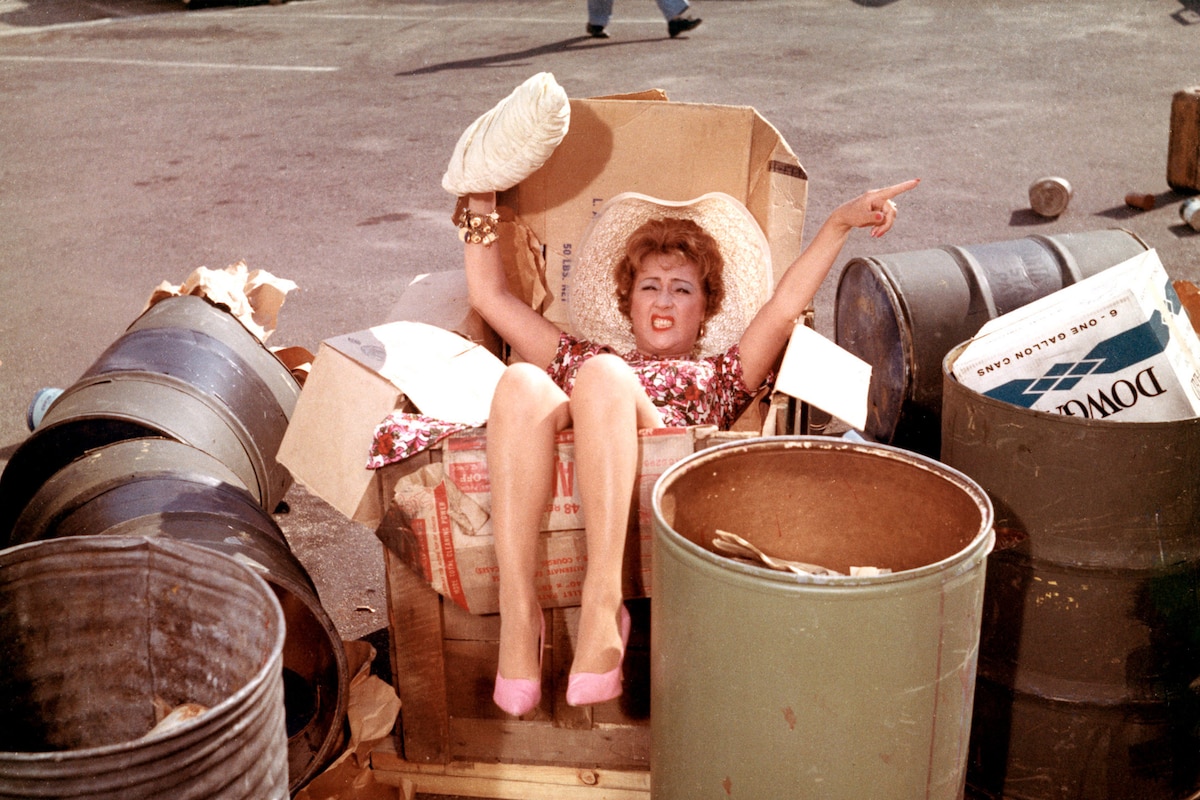
Groucho Marx wasn't available to play Milton Berle's father-in-law, so the character's gender was changed so they could cast Ethel Merman.
The one great clown Kramer didn't even approach was Charles Chaplin. The producer-director thought it would be impossible, since Chaplin was living in self-imposed exile in Switzerland and was so wealthy no amount of money could have lured him back to the screen.
Don Rickles desperately wanted to be in It's a Mad Mad Mad Mad World, but Kramer never asked him, a sore point that he heckled the producer-director about every time Kramer came to see Rickles perform live.
Kramer cast Jimmy Durante as the crook who dies in the first scene because he felt the actor's face could be both funny and tragic at the same time.
by Frank Miller
The Big Idea
by Frank Miller | February 15, 2007
SIGN UP FOR OUR NEWSLETTERS

CONNECT WITH TCM