SYNOPSIS
Holly Golightly is a carefree New York party girl and Paul is a struggling writer who moves into her building. Holly is dead set on marrying for money and avoids romantic entanglements of any kind. The two quickly form a friendship though Paul soon finds himself falling in love with the devil-may-care Holly, despite the fact that he is being kept by a rich older woman. When Holly's ex-husband Doc (Buddy Ebsen) shows up unexpectedly, the truth about her mysterious past is revealed, complicating matters for the two would-be lovers.
Director: Blake Edwards
Producers: Martin Jurow and Richard Shepherd
Screenplay: George Axelrod
Based on the novella Breakfast at Tiffany's by Truman Capote
Cinematography: Franz Planer
Editing: Howard A. Smith
Art Direction: Roland Anderson and Hal Pereira
Music: Henry Mancini
Cast: Audrey Hepburn (Holly Golightly), George Peppard (Paul Varjak), Patricia Neal (2-E), Buddy Ebsen (Doc Golighly), Martin Balsam (O.J. Berman), Mickey Rooney (Mr. Yunioshi), John McGiver (Tiffany's Clerk), Dorothy Whitney (Mag Wildwood), Stanley Adams (Rusty Trawler), Elvia Allman (Librarian), Alan Reed (Sally Tomato), Claude Stroud (Sid Arbuck), Vilallonga (Jose da Silva Periera), Beverly Hills (Stripper), Putney (Cat).
C-114m.
Why BREAKFAST AT TIFFANY'S is Essential
Before Breakfast at Tiffany's became a movie, the character of Holly Golightly had already enchanted readers in Truman Capote's unforgettable novella of the same name. While the film version takes some significant liberties with Capote's work, audiences were still delighted by the way director Blake Edwards depicted this independent free spirit on the screen.
While Audrey Hepburn may not have been Truman Capote's ideal choice to play Holly Golightly, audiences embraced her in the role, and Breakfast at Tiffany's is often the first film that springs to mind when the name Audrey Hepburn is mentioned.
Accepting the role of Holly was a risk for Hepburn, who was associated with virtuous ingénue roles. At 32 years old, Hepburn was ready to take on more adult parts and break out of her established comfort zone. In addition to scoring an Academy Award nomination for Best Actress, the role of Holly Golightly helped Hepburn win more challenging adult roles.
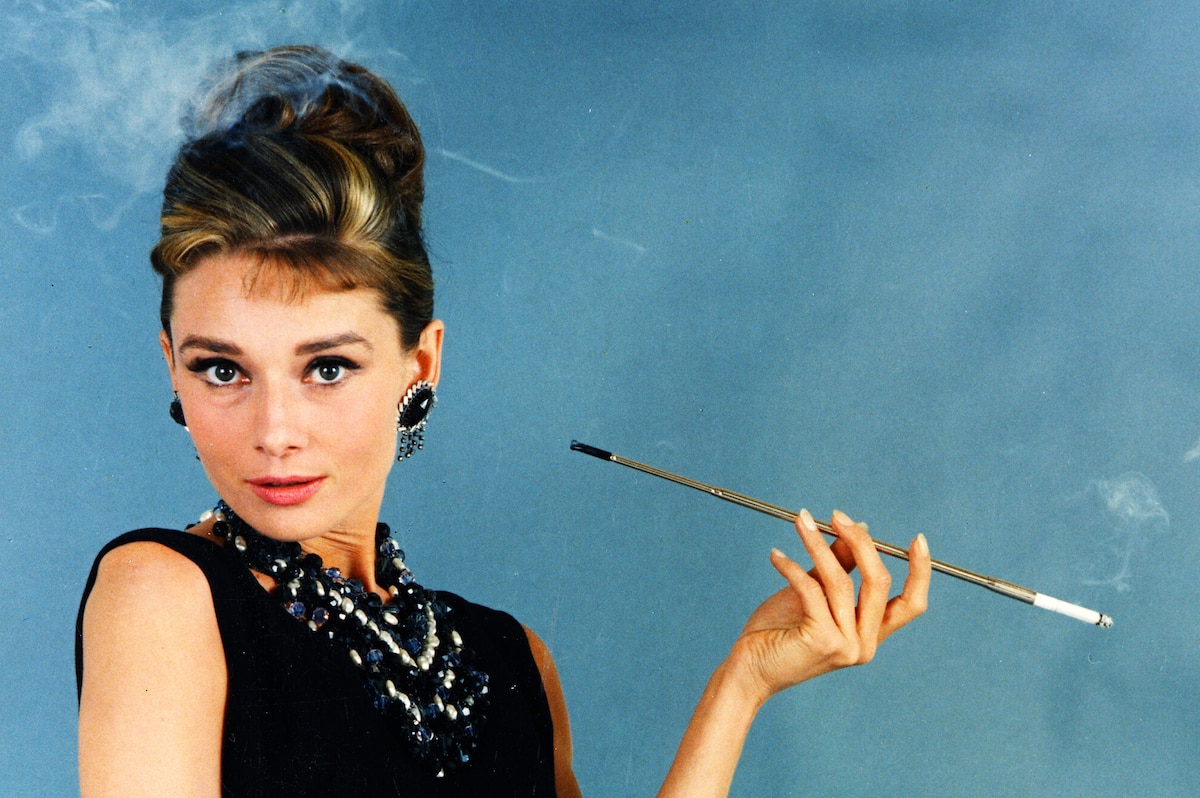
Breakfast at Tiffany's is also a film synonymous with fashion and high style. From the first scene when Audrey Hepburn stands in front of Tiffany's wearing a gorgeous black evening gown draped in pearls with her hair piled high in a frosted beehive, the entire tone and look of the film is set. This is the movie responsible for bringing the "little black dress" into vogue, and Hepburn's simple yet elegant Givenchy-designed wardrobe helped established the actress as a style icon.
Breakfast at Tiffany's was also the film that introduced the Oscar®-winning song "Moon River" to the world. The song, written by Henry Mancini and Johnny Mercer, became a signature hit for Andy Williams, but it was Audrey Hepburn who sang it first. Sitting on her windowsill in the film and strumming a guitar, her simple, unadorned version of the tune is genuinely touching and evokes the melancholy yearning that was always present in Capote's original novella.
by Andrea Passafiume
Breakfast at Tiffany's: The Essentials
by Andrea Passafiume | February 15, 2007
SIGN UP FOR OUR NEWSLETTERS

CONNECT WITH TCM