By the time solitary swordsman Ogami Ittō and his young cart-transported son, Daigoro, astounded English-speaking viewers with the outrageously bloody composite film Shogun Assassin in 1980, the six-part Japanese cinematic series had already drawn to a close six years earlier with their final adventure, Lone Wolf and Cub: White Heaven in Hell (1974), originally released as Kozure Ōkami: Jigoku e ikuzo! Daigorô (whose title translates as "Lone Wolf and Cub: Let's Go to Hell, Daigoro!"). As violent as any of the preceding entries, the film was only shown in Japanese theaters for years and provided no closure for the central conflict between "Lone Wolf" Ogami Ittō and his series-long nemesis, the evil Lord Yagyū. This issue may be familiar to Game of Thrones fans because, in a similar scenario here, no closure had been provided yet in the source material for the films, a popular manga by writer Kazuo Koike and artist Goseki Kojima that began in 1970 and concluded in 1976.
Shot in rapid succession, the film series began in 1972 with a trio of films helmed by Kenji Misumi: Lone Wolf and Cub: Sword of Vengeance, Lone Wolf and Cub: Baby Cart at the River Styx (the primary source for Shogun Assassin) and Lone Wolf and Cub: Baby Cart to Hades, which was circulated in English-dubbed form as Lightning Swords of Death. Misumi returned for the fifth film, Lone Wolf and Cub: Baby Cart in the Land of Demons (1973), but other directors were handed the remaining two titles: film four, Lone Wolf and Cub: Baby Cart in Peril (1972) by Buichi Saitô, and this film, directed by Yoshiyuki Kuroda. A journeyman with a career that lasted less than two decades, Kuroda had proven an affinity for flamboyant material with his second film, the frequently eye-popping Yokai Monsters: Spook Warfare (1968), and tackled multiple episodes of the single-season fantasy TV series, Mirrorman. His one Lone Wolf and Cub film would prove to be his final theatrical feature, after which he moved exclusively over to television until the early 1980s.
As with the previous entries, Ogami is played by actor Tomisaburô Wakayama, a noted martial artist who rocketed to fame as the stoic, sword-swinging Lone Wolf. While previous samurai films had emphasized balletic grace and historical detail, these film proved to be a huge break from tradition and commercial successes by placing the action all over frequently unseen areas of Japan with an emphasis on flamboyant bloodletting and the grim social restrictions of the time that turned our antihero into a refugee seeking revenge. Wakayama had been acting since the mid-1950s, often in very minor roles, including appearances in multiple Zatoichi films and a variety of ghost stories. Incredibly, he managed to turn out a total of 16 features over the two-year course when he made the Lone Wolf and Cub cycle along with a five-part TV miniseries, Mute Samurai (1973). Afterwards his career flourished domestically, and he was even recruited to appear in two Hollywood productions, The Bad News Bears Go to Japan (1978) and Ridley Scott's Black Rain (1989).
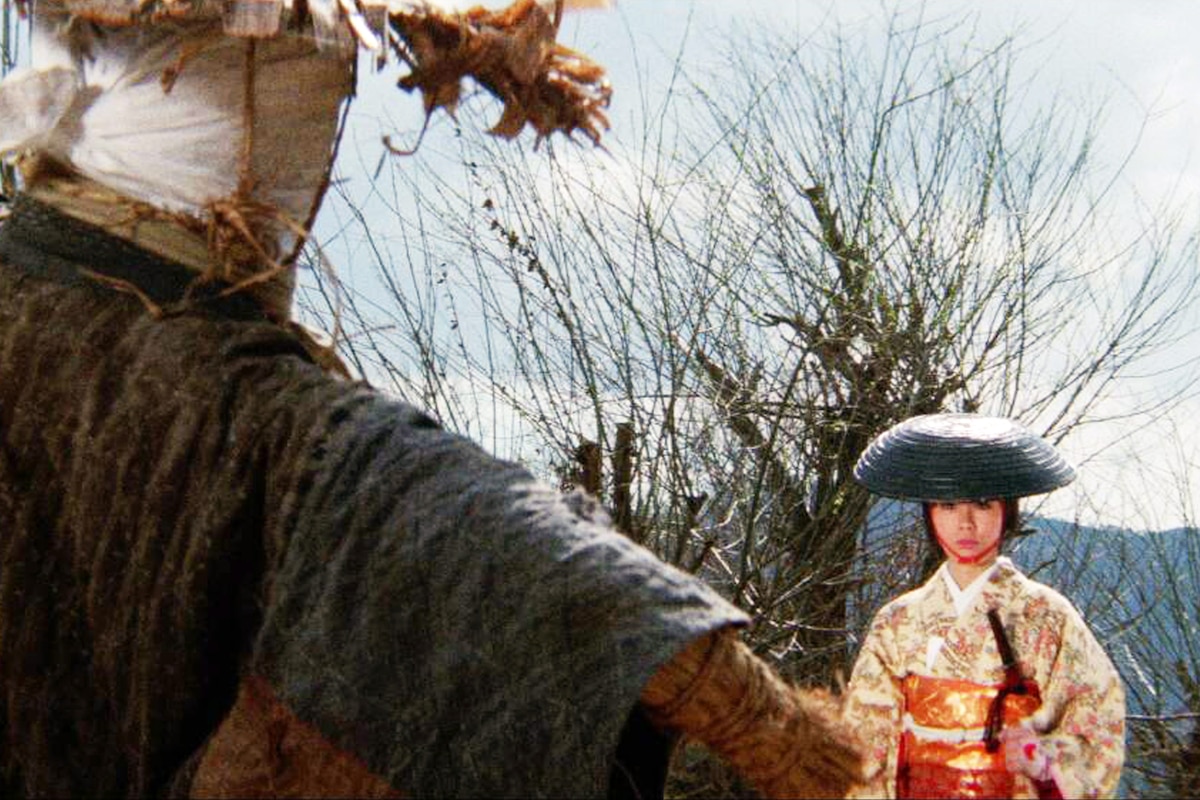
While the preceding films had often pitted Ogami against his adversaries in such settings as a green countryside and an arid desert, this film changes the template significantly by focusing on snowbound locations with a mountain clan sent after our father and son death squad. Shooting on snowy mountainsides proved to be the most arduous decision of the entire series with both Wakayama and young Akihiro Tomikawa, who played Daigoro in all six films (his only credits), put through chilling physical challenges for their trudging scenes through the tundra. The wild finale featuring a fleet of samurais on skis painting the snow with plasma turned out to be a major series highlight, escalating the already gruesome excesses of the snow action scenes in On Her Majesty's Secret Service (1969) to new baroque heights. Though this marked the end of the road for the duo in theaters, the popularity of Lone Wolf and Cub endured through a two-year series for Japanese television, multiple international reprints of the manga after its conclusion, and a video game. In addition, it has been referenced numerous times in American cinema including prominent placement in Quentin Tarantino's Kill Bill: Volume 2 (2004) and the overt inspiration for Max Allan Collins' comic book crime series that would be adapted as the Sam Mendes film, Road to Perdition (2002), with Tom Hanks essentially swapping out Ogami's sword for a Tommy gun.
By Nathaniel Thompson
Lone Wolf and Cub: White Heaven in Hell
by Nathaniel Thompson | March 23, 2020
SIGN UP FOR OUR NEWSLETTERS

CONNECT WITH TCM