A multitalented Broadway luminary who began performing from the age of 5, Mervyn Nelson had a prolific theatrical career, spanning several decades, numerous landmark productions and the 1950 all-black jazz revue, Jazz Train. In 1971, taking an unprecedented stab at filmmaking, Nelson wrote and directed one of the first explicitly queer American films, the now largely forgotten Some of My Best Friends Are....
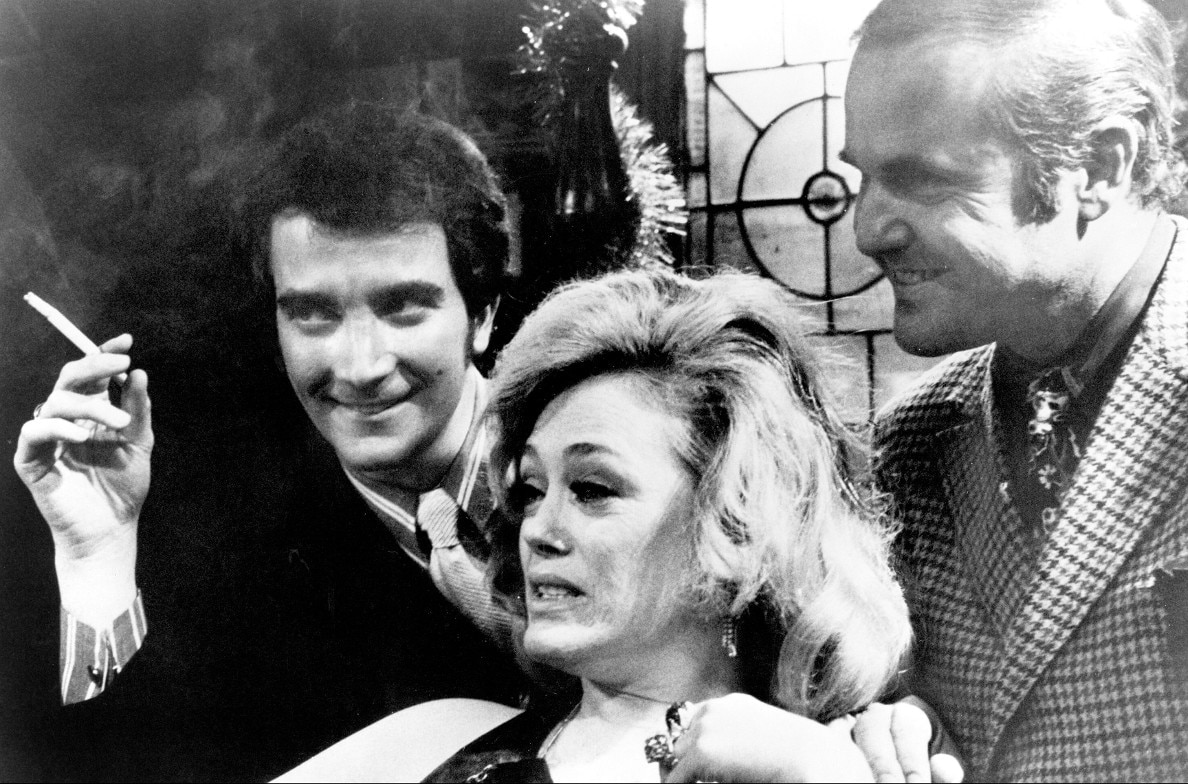
The film is loose in plot but very clear in theme - the melancholic frustrations of the gay community post-Stonewall, as reflected in a diverse assemblage of people frequenting a Greenwich Village gay bar on Christmas Eve. Not unlike Harry Hope's saloon in Eugene O'Neill's The Iceman Cometh, The Blue Jay is a dingy haven for sad and lonely souls whose dashed dreams and deep-seated anxieties invariably align with the state of gay rights circa 1971. It is a rough piece of filmmaking, replete with uninspired camerawork, splotchy lighting and muddled sound recording. And while the film is lauded for its emotional authenticity, it also traffics in its fair share of clichés about queer culture and identity which are especially glaring from the vantage point of almost 50 years' hindsight. Some characters impress with their authenticity; others conform to reductive stereotypes.
And yet for all its imperfections, Some of My Best Friends Are... was daring for its time, particularly in its treatment of queer individuals as emotionally vulnerable human beings, all of whom feel comfortable enough within the Blue Jay's auspices to give voice to longings and anxieties that had usually been swept under the rug by mainstream cinema. In his review for the New York Times, Vincent Canby said, "In almost every way, including its ad campaign, it's a second-rate spin-off from The Boys in the Band. Yet, because of this second-rateness, which includes hammy performances and a sentimental...Some of My Best Friends Are... may well be more accurate than the slicker, wittier Boys in the Band." Often favorably compared with the 1970 William Friedkin drama, which received a similarly split reception among the gay community at the time of its release, both films served as key signposts of the larger debate surrounding on-screen representation and the future of queer liberation.
The film's eclectic cast was, for the most part, made up of a lot of second and third-string actors and borderline unknown bit players. The exceptions - mostly women - include Rue McClanahan of Golden Girls fame; Fannie Flagg, otherwise known for her performances in Five Easy Pieces (1970) and Grease (1978) and for penning the 1987 novel Fried Green Tomatoes at the Whistle Stop Café; and Warhol superstar Candy Darling, embodying a drag queen who represents the fringes of the gay community and stands as one of the film's most tragic characters.
Due to complex rights issues, Some of My Best Friends Are... has long been difficult to see and qualifies as a true cult rarity, circulating for the most part online and in battered transfers. In addressing a panoply of issues pertaining to queer identity with honesty and directness, Mervyn Nelson made a film that can justifiably be called an early queer cinema landmark - one that warrants greater visibility than it has been afforded.
By Stuart Collier
Some of My Best Friends Are...
by Stuart Collier | June 11, 2019
SIGN UP FOR OUR NEWSLETTERS

CONNECT WITH TCM