The so-called "horror hag" or "Grande Dame Guignol" craze inaugurated by the smash success of Robert Aldrich's What Ever Happened to Baby Jane? (1962) was starting to wind down by the early 1970s. But the formula of casting tried and true Hollywood actresses past their ingenue years in gothic melodramas still had some kick left in it by the time director Curtis Harrington got his hands on it. An avant-garde filmmaker who also knew the ins and outs of Tinseltown, Harrington was part of the same West Coast gay, experimental sensibility behind contemporary Kenneth Anger (with whom he collaborated), but he also wanted a commercial career inside the studio system by working his way up the ladder via producer Roger Corman. Harrington had tackled that "horror hag" idea first in What's the Matter with Helen? (1971), a Depression-era look at the dark side of showbiz starring Debbie Reynolds and Shelley Winters; the film became a popular success for American International Pictures, which ended up releasing another similarly titled Harrington and Winters potboiler hot on its heels.
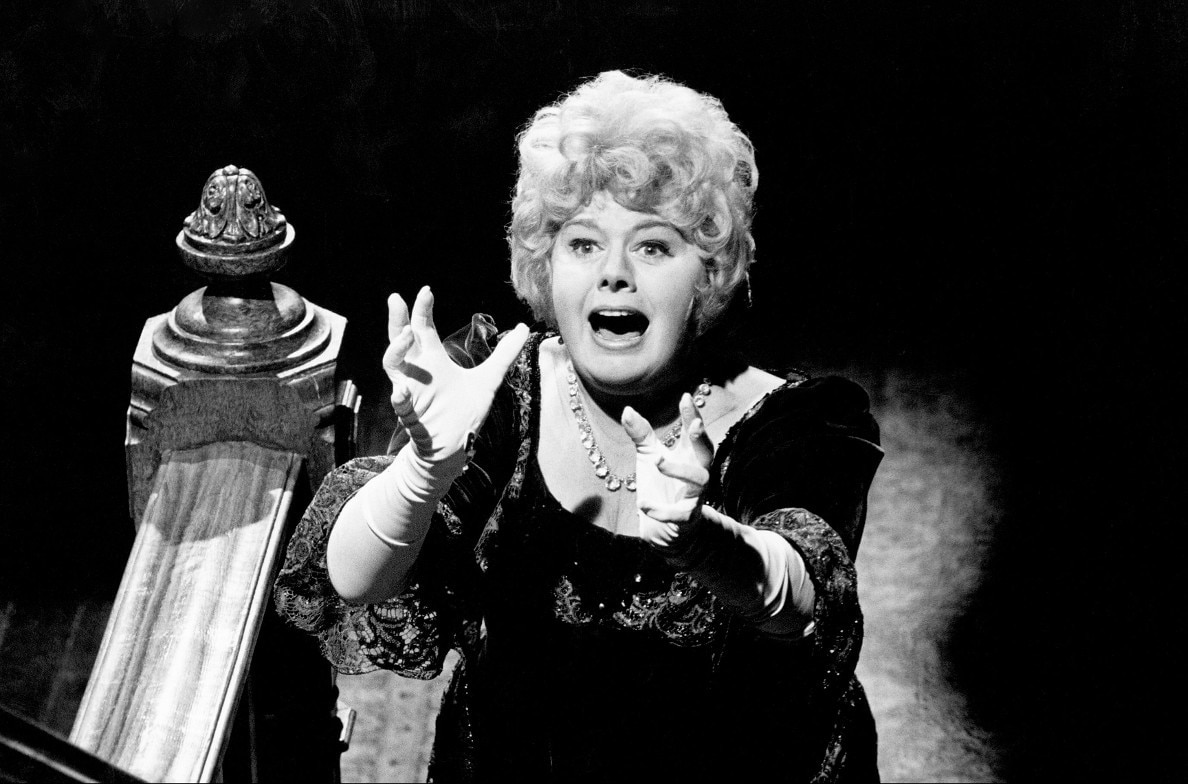
That second film is Who Slew Auntie Roo? (1971), also known under Harrington's preferred ("softened") title, Whoever Slew Auntie Roo?. This time the Los Angeles angle was abandoned entirely for a Yuletide-set tale of delusion and macabre secrets as two orphans are taken into the home of the eccentric Rosie "Auntie Roo" Forrest (Shelley Winters), which turns into a twisted variation on "Hansel and Gretel." Young orphan Christopher Coombs is played by Mark Lester, still popular from his performance in the title role of the Best Picture winner Oliver! (1968), while his sister, Katy, is one of the most familiar child actresses of '70s British horror, Chloe Franks, who had just appeared in The House That Dripped Blood (1971) and would soon turn up in Tales from the Crypt (1972) and The Uncanny (1977). The cast is also peppered with some surprisingly high-profile supporting players including British stage and screen legend Ralph Richardson, who was about to appear as the Cryptkeeper in Tales from the Crypt; veteran character actor Lionel Jeffries from such films as Chitty Chitty Bang Bang (1968); and Hugh Griffith, an Oscar winner for his Supporting Actor role as Sheik Ilderim in Ben-Hur (1958).
However, this is Winters' show all the way as the venerable star tears into a role that allows her to be maternal, theatrical, sinister and amusing, sometimes all at the same time. Already a dual Oscar winner for The Diary of Anne Frank (1959) and A Patch of Blue (1965), Winters had joined the AIP fold with the youth culture hit Wild in the Streets (1968) and Corman's Bloody Mama (1970). Winters' willingness to go as large as possible with her performances paid off soon after this with one of her best remembered roles in The Poseidon Adventure (1972), a career landmark that kept her in heavy demand well into the mid-1980s before she settled into mostly TV work.
Despite its generally positive reception and enduring cult popularity, Who Slew Auntie Roo? would mark the end of an era for Harrington as his final theatrical feature to receive significant distribution in the U.S. and worldwide in the form its creator intended. He would go on to make three more films--The Killing Kind (1973), Ruby (1977) and Mata Hari (1985)--but all were plagued by either a severe lack of distribution and/or extensive tampering that distorted Harrington's original intentions. However, he did find a successful niche making made-for-TV horror movies throughout the '70s, most notably the beloved Devil Dog: The Hound of Hell (1978), and he remained a fixture on the Hollywood scene as both a film preservationist and host of famous counterculture salons until his death in 2007.
By Nathaniel Thompson
Whoever Slew Auntie Roo?
by Nathaniel Thompson | May 22, 2019
SIGN UP FOR OUR NEWSLETTERS

CONNECT WITH TCM