Leonard Franklin Slye was no stranger to the camera when he landed his first major role in 1938's Under Western Stars. Following a share of uncredited guitar-plucking, desert-moon-serenading cowboy cameos in Westerns since the mid-'30s, his big break came thanks to fellow actor Gene Autry's inflated hubris. When the contracted actor-musician demanded a higher salary from Republic Pictures, the B-movie production company began the search for a new (i.e. cheaper) leading man to helm its Westerns. They were after someone with a fresh, lovable persona who could simultaneously strike a chord of fear into the hearts of outlaws. A number of actors looking to be the next big thing emerged from the woodwork, but one stood out.
With his guitar and yodeling skills, songbird vocal chords and boyish face striking all the right notes, Slye landed the coveted role for the new American cowboy. Since "Leonard Slye" sounded a far cry from a horse-riding hero, Republic invented the moniker "Roy Rogers," a show-worthy name that has since become as synonymous with mid-century Americana as apple pie and Howdy Doody.
Joseph Kane, a director on staff for Republic Pictures, took the chair for the new leading man's first film. Kane had handled a number of Gene Autry Westerns, including the aptly named Tumbling Tumbleweeds (1935), Guns and Guitars (1936) and Ride, Ranger Ride (1936), which are just a few of his 100 plus credits as director. Smiley Burnette, a repeat supporting actor alongside Autry throughout the 1930s, joined Rogers in his first picture. The two would go on to costar in a number of films before the popular supporting actor left Republic in 1944, only to star in more roles as the musical, happy-go-lucky sidekick.
Under Western Stars (1938) was a standout in the B-movie western stock. First, it was more political than the typical genre entry. Where its predecessors dealt in conflicts with Native Americans, the lawlessness of the land and missions of vengeance, Republic's new film was a deeply topical look at environmentalism, governmental policy and the pursuit of truth. Sure, it contains the trademark sequences of cowboys on horseback and last-minute rescues. But it also confronted serious issues, such as the effect of drought on farming communities and water ownership policy.
Songs peppered throughout and performed by Rogers and company broke up the film's whip-crack pace. "Dust," nominated for an Academy Award for Best Original Song, lamented a land exhausted by drought and spoke to the frailty of human existence. The Dust Bowl was still a fresh and painful memory for Americans living in the West, and the song struck a chord.
More Capra than Ford in essence, the plot finds Rogers saving a town from drying up and then making a run for Congress. His aim is to show the plight of his people and to free up water for the improvement of his hometown. Realizing he needs more than proof to convince the politicians, he stages a tactic to make the them understand the pain of thirst firsthand.
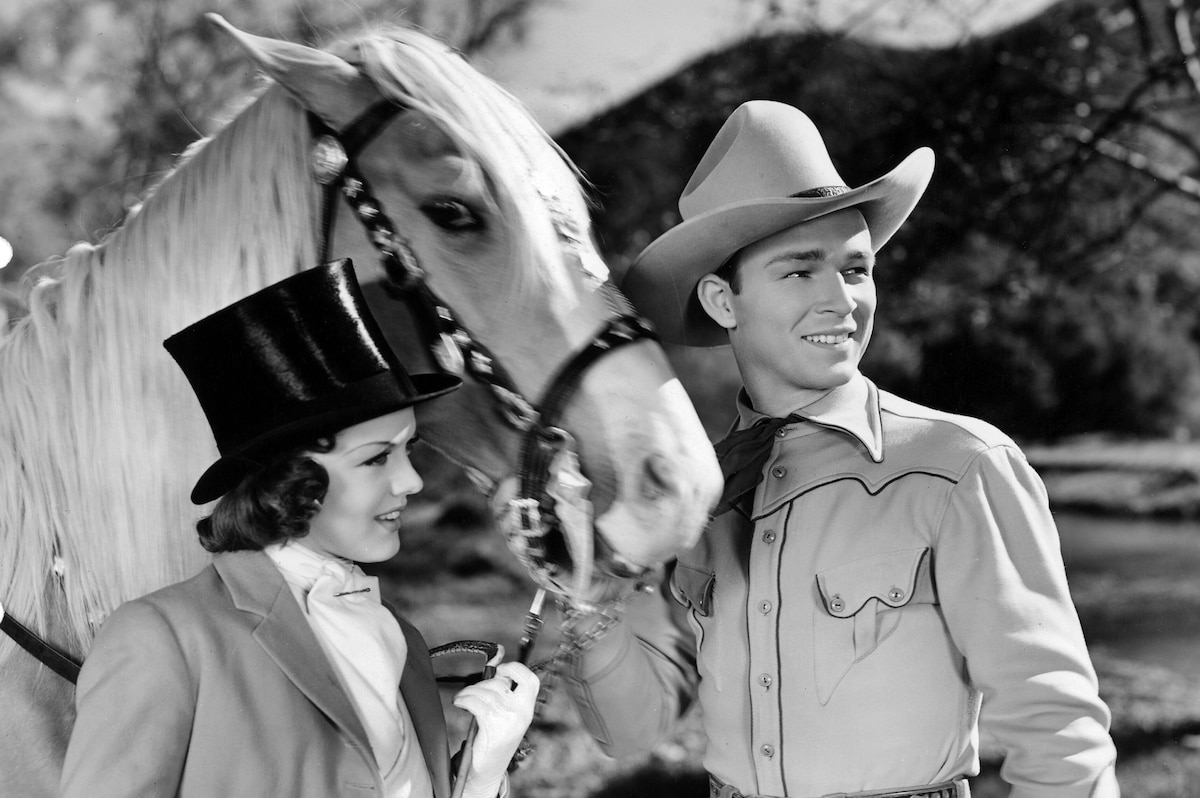
Roy Rogers was a made man after the film. He starred in a handful of films in which he played other characters, but it was his strength playing "Roy Rogers" that launched him into a stardom that surpassed Autry at the box office, gave birth to a career in television and splashed his image across a million lunch boxes. He would strum, sing and stride across the screen throughout the 1940s and '50s, riding through the West on his trusty horse, Trigger.
But it all started with this picture, a testament to the hardships and wonders of living under western stars.
By Thomas Davant
Under Western Stars
by Thomas Davant | February 14, 2019
SIGN UP FOR OUR NEWSLETTERS

CONNECT WITH TCM