In a just world, the 1952 romantic comedy Love Is Better Than Ever would have marked Stanley Donen's solo directing debut, hot on the heels of his success co-directing On the Town (1949) with friend Gene Kelly (who made an unbilled cameo as himself). The blacklist got in the way, however, when leading man Larry Parks' refusal to name names before the House Un-American Activities Committee (HUAC) brought an end to his once-promising career. MGM put the film on the shelf for two years, allowing Royal Wedding (1951), Donen's second solo directing assignment, to become his official debut picture.
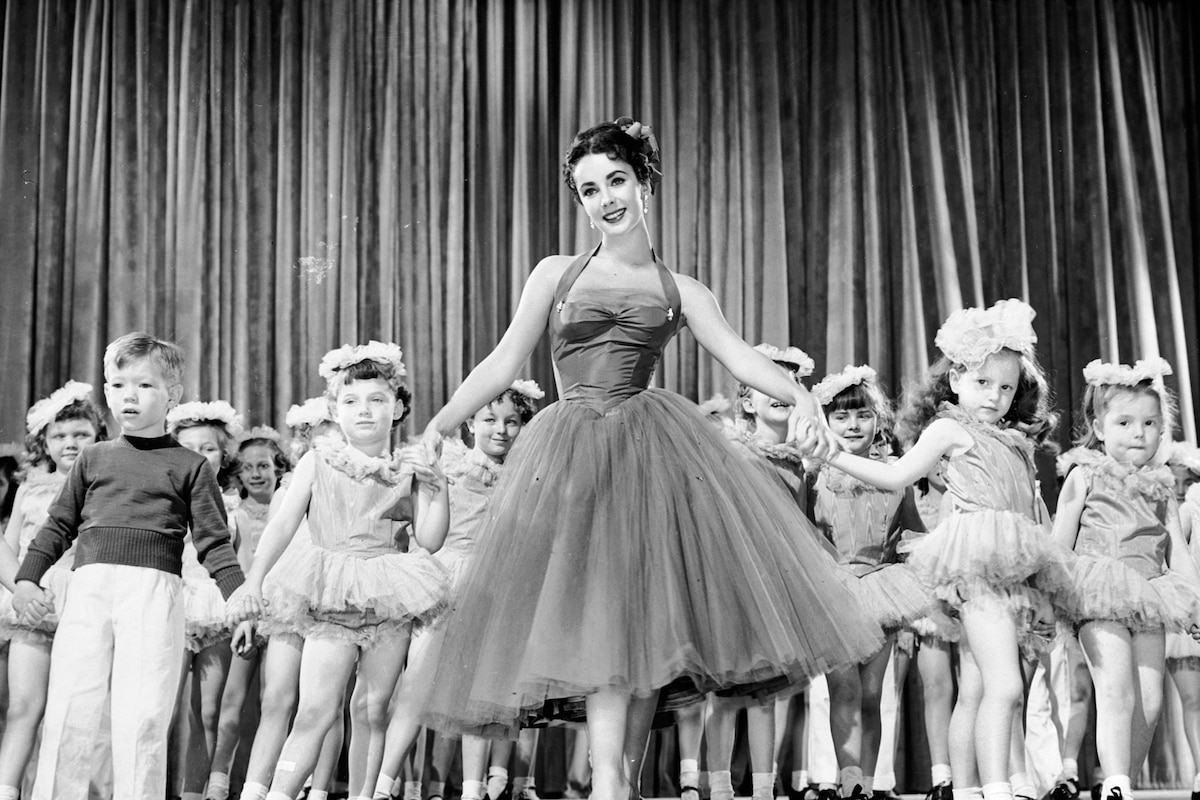
Starting small was only natural for a first time director. Although Donen had done outstanding work as a choreographer and had co-directed one of MGM's biggest hits of 1949, the studio had to make sure he could handle a film on his own before giving him any of their bigger projects. So Donen got to strut his stuff on a simple romantic comedy about a small-town girl (Elizabeth Taylor) who believes the line thrown at her by a Broadway press agent (Parks), then sets out to trick the womanizer into realizing she's his ideal woman. Making the slender story believable was hardly a challenge. At the height of her beauty, Taylor was already the ideal woman to large numbers of adoring fans. Love Is Better Than Ever went into production after her move into adult roles in the comedy Father of the Bride (1950) and the suspense film Conspirator (1949). In addition, she had been the darling of the press since her highly publicized wedding to hotel heir Nicky Hilton just as Father of the Bride was playing in theatres around the U.S.
Parks was also a hot commodity. He had been building a fan following at Columbia Pictures when studio head Harry Cohn decided to cast him rather than a major star to play legendary singer Al Jolson in The Jolson Story (1946). The film was a surprise hit, partly because of Parks' dynamic performance and partly because of Jolson's dubbing on the songs. Not only did the picture bring Parks an Oscar® nomination, but it made him one of the studio's top male stars. Three years later, the sequel, Jolson Sings Again (1949), was just as successful. When Cohn agreed to loan Parks to MGM for Love Is Better Than Ever, it seemed a smart move for all involved. Each star would get a boost from the other's popularity, and Donen would make his directing debut with two marquee names.
Then HUAC initiated a round of hearings into alleged Communist infiltration of the motion picture industry and called Parks as their first witness. He had actually been subpoenaed during the first round of hearings in 1947. But the first group of "unfriendly" witnesses, the Hollywood Ten, created such an uproar that the hearings had been suspended, and Parks' career had gone on without problems. When he was called in early 1951, however, he knew there was no way out, and MGM put Love Is Better Than Ever on the shelf while they waited to see how things would come out. Rather than take the Fifth, as many other witnesses were to do, Parks admitted to having been a member of the Communist Party, then explained that, like many other progressives in the '30s, he had been disillusioned by the Hitler-Stalin non-aggression pact at the start of World War II. When the committee demanded he name names, however, he refused. His statement made headlines: "I don't think this is American justice to make me choose [to]...be in contempt of this Committee...or crawl through the mud for no purpose. You know who these people are." (Quoted from the biography Betty Garrett and Other Songs). At first, it seemed he had gotten through the meetings unscathed. Even John Wayne, one of Hollywood's most outspoken supporters of the hearings, said he had done himself proud. Then gossip columnist Hedda Hopper went on the attack. By the time she was finished Wayne had apologized for his statements, and Park was unemployable. Columbia dropped his contract, and MGM held back Love Is Better Than Ever for another year. Even Parks' wife, Betty Garrett, was unemployable for a time.
When the film finally came out, critics were less than thrilled with what they saw as a tired rehash of overused romantic clichés. By that point, however, Donen had scored a hit with Royal Wedding and was working on his best film, Singin' in the Rain (1952). The film's main selling point was Taylor, whose star had risen even higher after her love scenes with Montgomery Clift in A Place in the Sun (1951) and the publicity generated by her divorce from Hilton and her famous statement, "I'm just a girl in a woman's body." Fans today are mostly drawn to the film for the chance to see her youthful beauty.
Producer: William H. Wright
Director: Stanley Donen
Screenplay: Ruth Brooks Flippen
Cinematography: Harold Rosson
Art Direction: Cedric Gibbons, Gabriel Scognamillo
Music: Lennie Hayton
Costume Design: Helen Rose
Cast: Larry Parks (Jud Parker), Elizabeth Taylor (Anastacia Macaboy), Josephine Hutchinson (Mrs. Macaboy), Tom Tully (Mr. Macaboy), Ann Doran (Mrs. Levoy), Elinor Donahue (Pattie Marie Levoy), Kathleen Freeman (Mrs. Kahrney).
BW-82m. Closed captioning.
by Frank Miller
Love Is Better Than Ever
by Frank Miller | June 23, 2006
SIGN UP FOR OUR NEWSLETTERS

CONNECT WITH TCM