The motion picture career of Dwain Esper (1893-1982) began in mid-life, whit his receipt of a film processing laboratory in settlement from litigation over a failed business venture. After establishing his own production company, Esper spent two decades dancing around the prohibitive Motion Picture Production Code (formed in 1930 to stanch indecency in pictures), disguising a series of lurid melodramas and peek-a-boo short subjects as educational films purporting to caution audiences against the wages of sin in all its forms. Working below even Poverty Row standards and denied access to the studio-controlled movie palaces of the 1930s, Esper self-distributed his films by pious promotion and soulless flimflam, shuffling offending footage in and out of various prints, and occasionally changing titles to double-sell a film in one territory or to sidestep regional bans. Esper produced and/or directed a dozen films between 1928 and 1948 but his reputation was forced by his use of shock exhibition tactics and inflammatory titles such as Narcotic (1933), How to Undress in Front of Your Husband (1936), Sex Madness (1938), and The Love Life of Adolf Hitler (1948).
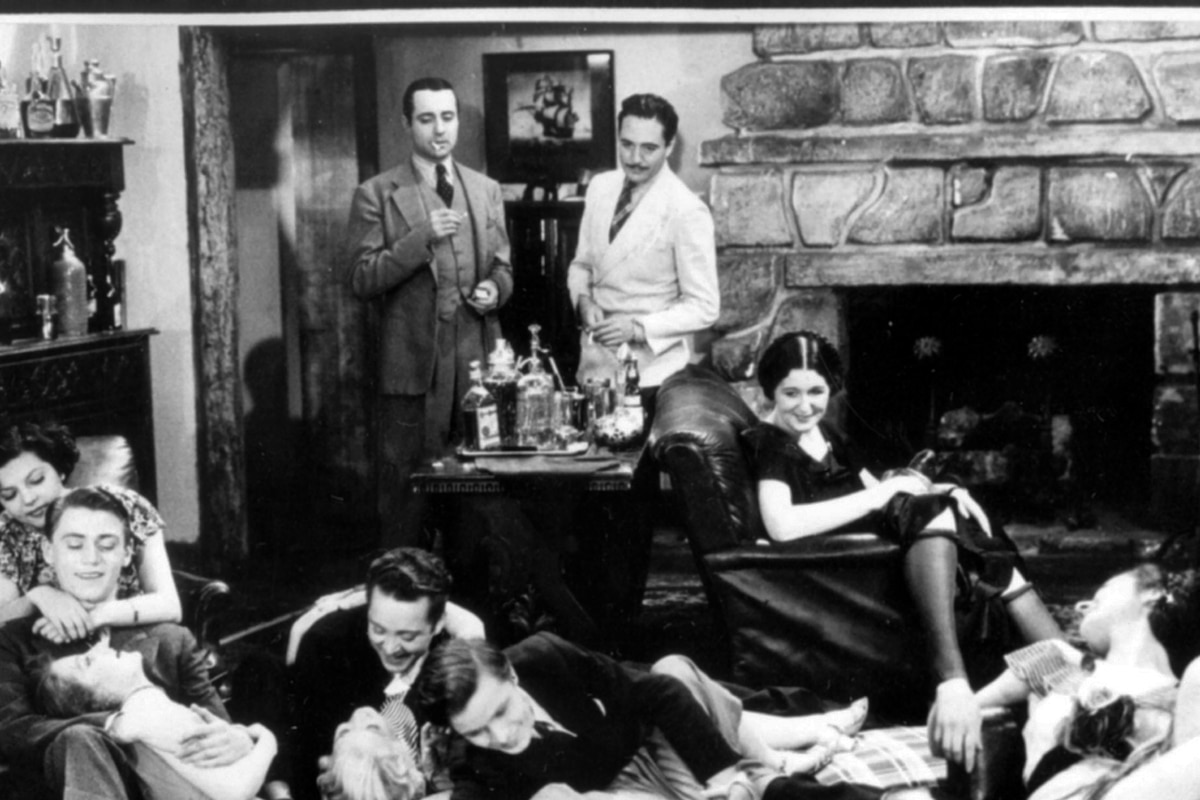
Sex and dope were Esper's pet themes (though he would offer a purported exploration of mental illness with Maniac, in reality a lurid adaptation of Edgar Allan Poe's "The Black Cat"), a topic first explored by the Hollywood independent in Narcotic, the cautionary tale of a once-respectable physician who descends into the nightmare of drug addiction. (To promote his film in grand style, Esper borrowed the mummified body of Wild West outlaw Elmer McCurdy and exhibited the corpse in the lobbies of cinemas showing Narcotic, claiming McCurdy was a victim of drug addiction taken to its inevitable conclusion.) After completing Maniac (subsequently sent into re-release as Sex Maniac), Esper returned to the narcotics theme with Marihuana (1936), aka Marijuana: The Devil's Weed, which he sent out under the aegis of his newly-founded Road Show Attractions. In sympathy with such contemporary drug scare films as Willis Kent's The Pace That Kills (aka The Cocaine Fiends, 1936) and Louis J. Gasnier's Tell Your Children (aka Reefer Madness, 1936), Marihuana tells the sad tale of a good middle class girl (Harley Wood) brought low by unrealistic expectations, lack of gratitude, and an ill-advised introduction to "giggle weed" while at a coed wienie roast.
Scripted by Esper's wife Hildegarde Stadie (the daughter of a patent medicine huckster who had assisted her father in the sale of a curative balm called Tiger Fat), Marihuana set the tone for many anti-drug dramas to follow; the narrative arc, which takes its protagonist from innocence to experimentation to desperation, would vary only slightly in subsequent films, from Otto Preminger's sensitive but sensationalistic The Man with the Golden Arm (1955) to Darren Aronofsky's deceptively retrograde Requiem for a Dream (2000) - as well as in the wealth of made-for-TV movies cranked out by the networks in the 70s and 80s (The People Next Door, Desperate Lives, Cocaine: One Man's Seduction, Not My Kid). Esper enjoyed sufficient success as a societal soothsayer that he purchased exhibition rights to Tell Your Children/Reefer Madness, which he sent back out into theatres from 1937 to 1939. (In 1948, Esper obtained the rights to exhibit Tod Browning's 1932 sideshow shocker Freaks.) More adept at showmanship than at protecting his own copyright, Esper allowed his films to fall into the public domain. Not long before Esper's death in 1982, Reefer Madness and Marihuana were put back into rotation by NORML (The National Organization for the Reform of Marijuana Laws), as part of a national endeavor to de-demonize the recreational use of marijuana.
by Richard Harland Smith
Sources:
Bold! Daring! Shocking! True! A History of Exploitation Films, 1919-1959 by Eric Schaefer (Duke University Press, 1999)
Cocaine Fiends and Reefer Madness: An Illustrated History of Drugs in the Movies by Michael Starks (Ronin Publishing, 2015)
Poverty Row Studios, 1929-1940: An Illustrated History of 55 Independent Film Companies by Michael Pitts (McFarland & Company, Ltd., 2005)
Hooked in Film: Substance Abuse on the Big Screen by John Markert (Scarecrow Press, 2013)
Modern Mummies: The Preservation of the Human Body in the Twentieth Century by Christine Quigley (McFarland & Company, Ltd., 2006)
Marihuana
by Richard Harland Smith | June 24, 2016
SIGN UP FOR OUR NEWSLETTERS

CONNECT WITH TCM