Released in 1976, the Walt Disney adventure Treasure of Matecumbe arrived during a very busy year for the studio's live-action output sandwiched in between such titles as Freaky Friday, The Shaggy D.A., Gus, and No Deposit, No Return. The story of a pair of boys on a perilous adventure across the American South shortly after the Civil War, it was originally announced in May of 1966 in the Hollywood Reporter with Kurt Russell starring, Michael O'Herlihy directing, and A.J. Carothers (The Happiest Millionaire, 1967) writing the script adapted from the novel A Journey to Matecumbe by Pulitzer Prize winner Robert Lewis Taylor.
"My inspiration for Matecumbe sprang from my family's residence, year after year, in the Florida Keys, certainly the most fascinating and curiously alien part of the Republic," Taylor recalled in promotional interviews for the studio. "We lived on Matecumbe which, once Spanish, bears the oldest remaining place-name in the United States. Coming to know the elderly citizens there, I thought it a pity that knowledge of the old Keys' life might die with them, so I resolved to do what I could." While researching the 1961 novel, he went from island to island talking with aging residents and Seminole Indians to capture the diverse tapestry of the population.
Ultimately the film was directed by Vincent McEveety, who began as an assistant director on Disney's Davey Crockett and the River Pirates and moved on to The Mickey Mouse Club. He became a full-fledged director with Hector, the Stowaway Pup in 1962, which was aired as The Ballad of Hector the Stowaway Dog on TV, with subsequent films including The Million Dollar Duck (1971) and The Castaway Cowboy (1974). Writing duties were handed to Don Tait, who wrote the previous year's The Apple Dumpling Gang as well as Snowball Express (1972).
Though the story takes place along the Mississippi River, the actual locale proved impossible for shooting because, in the words of the studio itself, it was "too muddy, too busy, too difficult." The opening plantation scenes were filmed in Danville, Kentucky at a two-story Greek revival mansion on a 217-acre farm owned by Zack and Nancy Ison, built around 1830. The couple had spent twenty years restoring it and then had to watch the filmmakers simulate its grim decay for the film.
The second leg of the shoot took place in Florida where, according to Disney publicists, the production "played to a visible audience of egrets, blue herons, otters and turtles." The third and final wave of principal production took place in Northern California along the Sacramento River, standing in for the Mississippi River, ending in mid-December with another six months of studio work. The crew had to work through Thanksgiving to stay on schedule, and a reporter from the nearby town of Colusa was on hand to give a report to the local paper, the Sun-Herald, on November 28, 1975.
According to these accounts, strong winds were regularly whipping across the river which "made the action at all times precarious as the barges and the boats used for the action shots and the camera crews bobbed up and down. Even transferring from the barge with the dressing rooms for the stars to the barges and boats on which scenes were shot was filled with dangers as the boats bumped, narrowed and widened the distance that had to be taken for each step. Local river men, familiar with the Sacramento River, were aiding the crews with their power boats holding barges and other craft in place on the river which is being filmed to represent the more slowly flowing Mississippi."
A teacher and welfare worker, Irene Burke was assigned to the child actors who had to maintain daily classes and work limited, regulated hours as required by law. Johnny Doran, who plays Davie, was already a veteran actor with TV shows like Salty and Barnaby Jones under his belt along with the 1973 film, The Hideaways. However, this was the first film for the child playing Thad, San Fernando Valley native Billy Attmore. "We never thought we would have our child in a starring role," said Attmore's mother, Monica. "We knew he was very smart and that he liked this sort of thing, so we sent pictures away from the time he was 4 (he is 10 now) and did a few screen tests." The Attmores put dreams of stardom on hold for three years while Billy's retired-military father toured Vietnam, and Billy remained active in the business as a Mouseketeer on The New Mickey Mouse Club and with TV roles well into the late 1980s.
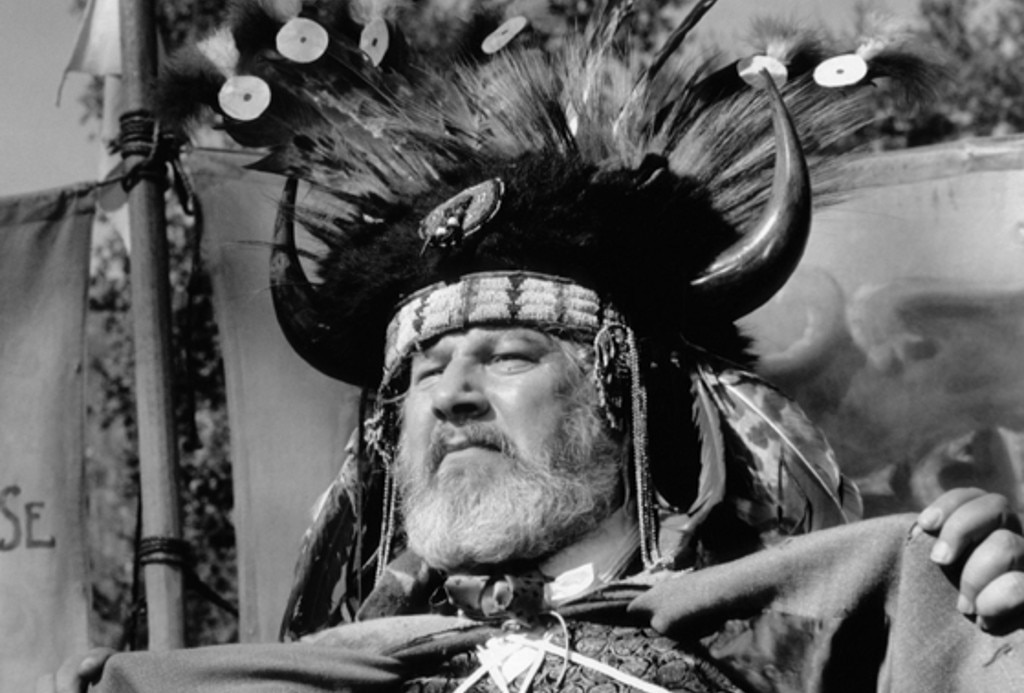
One of the film's most memorable aspects is its colorful turns by the adult cast, with two-time Oscar winner Peter Ustinov stealing his scenes as Dr. Snodgrass, a character based on famed traveling medicine and populist comedy figure Ike Eagle. Ustinov had also been a playwright since age 17 and made his stage debut as an old man in The Wood Demon. "That was a mistake," he said to the press in Colusa, because "for years I played nothing but old men. It seems like I never get away from the makeup table." The climactic hurricane sequence took its toll on Ustinov as well, even though it was shot under controlled conditions on the beaches of Bay Lake at Walt Disney World in Florida where the trees were made of flexible tubing to protect the actors and could spring back and forth and bend in the wind. The scene was shot over five nights complete with giant wind machine, with tons of water blasted in front of airplane engines. In the process, Ustinov was hit with a water wave and was hospitalized with pulled ligaments in his left ankle.
Also slightly injured during the production was actress Joan Hackett, who plays runaway bride Lauriette. While shooting the dance scene with the river man on the barge, Joan Hackett cracked a rib but still said it was "fun" in her archived collected notes on the film. "There are no holds barred on the spending. Just look at these shoes," she told reporters on the set, pointing to her period footwear. "They were made by a little old Italian woman. Can you believe that?"
Recently seen in such films as The Last of Sheila (1973) and The Terminal Man (1974), Hackett would tragically pass away very young in 1983 from cancer. Eerily, the year before would also claim another actor in the film, Vic Morrow, who plays the villainous Spangler. Famous at the time for his starring role in TV's Combat!, Morrow had only been married to his second wife, Gale, for six months when production began and greatly enjoyed his time with her in Florida. In fact, he had established himself in the state twenty years earlier when studying pre-law at Florida Southern College thanks to the G.I. Bill after his naval service, and his first stage role was in I Remember Mama during his time there.
Rounding out the main cast were Robert Foxworth as romantic lead Jim and beloved Father Knows Best actress Jane Wyatt in an extended cameo as Aunt Effie. A busy voice actor today, Foxworth started off on stage and earned TV roles opposite Faye Dunaway in Hogan's Goat and Elizabeth Montgomery in Mrs. Sundance as well as a popular stage success with P.S. Your Cat Is Dead.
Aside from some critical grousing about its unconvincing rear projection effects, the film was well received and moderately successful in theaters in 1976. The Los Angeles Herald-Examiner remarked that it is, "like most Disney films, a fantasy adventure, but it is a fantasy rooted in truth and rounded out with recognizable human eccentricity... The movie is nearly as adventurous as a trip to Disneyland." Likewise, the Hollywood Reporter found it a "captivating tale; part Treasure Island, part Huckleberry Finn, part African Queen." However, its greatest fan base would be found on television when it was shown several times over the years as part of the TV series The Wonderful World of Disney, leading many to believe it was actually a made-for-TV production after its debut on NBC in 1977. Make no mistake; this has always been a big screen adventure for all ages and a fast-paced example of the studio's knack for live-action entertainment for matinee audiences.
By Nathaniel Thompson
Treasure of Matecumbe
by Nathaniel Thompson | June 02, 2015
SIGN UP FOR OUR NEWSLETTERS

CONNECT WITH TCM