February 13-28 | 179 Movies
On March 15, the Academy of Motion Picture Arts and Sciences will hold its 98th annual awards ceremony to honor and celebrate the preceding year in film. From the stage of Hollywood’s Dolby Theatre, presenters will open the envelope to announce, “And the Oscar goes to…” in two dozen categories. This year, TCM ups the ante on its own annual tradition, recognizing cinematic achievement over the Academy’s full history in several themed categories built around that iconic phrase. Not only award recipients but nominees and honorees as well will be showcased over 31 days, beginning in mid-February.
The first half of TCM’s celebration kicks off the morning of February 13, with “Oscar Goes to a Fantasy World,” seven notable flights of imagination, including Federico Fellini’s Juliet of the Spirits (1965, nominated for Art Direction and Costume Design) and a landmark musical with an all-Black cast, Cabin in the Sky (1943, Original Song nominee). Primetime that evening features “Oscar Goes to a Wedding,” five pictures running the gamut from the second of three versions of the old romantic chestnut Smilin’ Through (1932, Best Picture nominee) to the unforgettable wedding chaos of The Graduate (1967, a Best Director win for Mike Nichols and six more nominations).

While we’re in the mood for love, “Oscar Goes to Paris,” that most romantic city, on Valentine’s Day, February 14, with 12 films, including three Best Picture winners. Set mostly in North Africa but, you know, “We’ll always have Paris,” Casablanca (1942) took home the top prize plus awards for Michael Curtiz’s direction and the endlessly quotable original screenplay by Julius Epstein and Howard Koch. An American in Paris (1951) was the rare musical to be voted Best Picture, with additional awards for Best Writing, Cinematography, Costume and Art Direction. The lavish period musical Gigi (1958), based on a 1944 story by Colette, scored trophies for all nine of its nominations, among them Vincente Minnelli’s direction, Cecil Beaton’s costume design and André Previn’s score.
Two other musicals get the Valentine’s Day spotlight: the Fred Astaire-Ginger Rogers Roberta (1935) and Baz Luhrmann’s colorful and frenetic Moulin Rouge (2001). Non-musicals with love in their hearts and a Hollywood version of the City of Light on their minds also get their share of attention: the grand period piece The Hunchback of Notre Dame (1939), the fantasy Midnight in Paris (2011) and Billy Wilder’s romantic comedy Irma la Douce (1963), which also earned nominations for Best Cinematography and Shirley MacLaine as Best Actress.
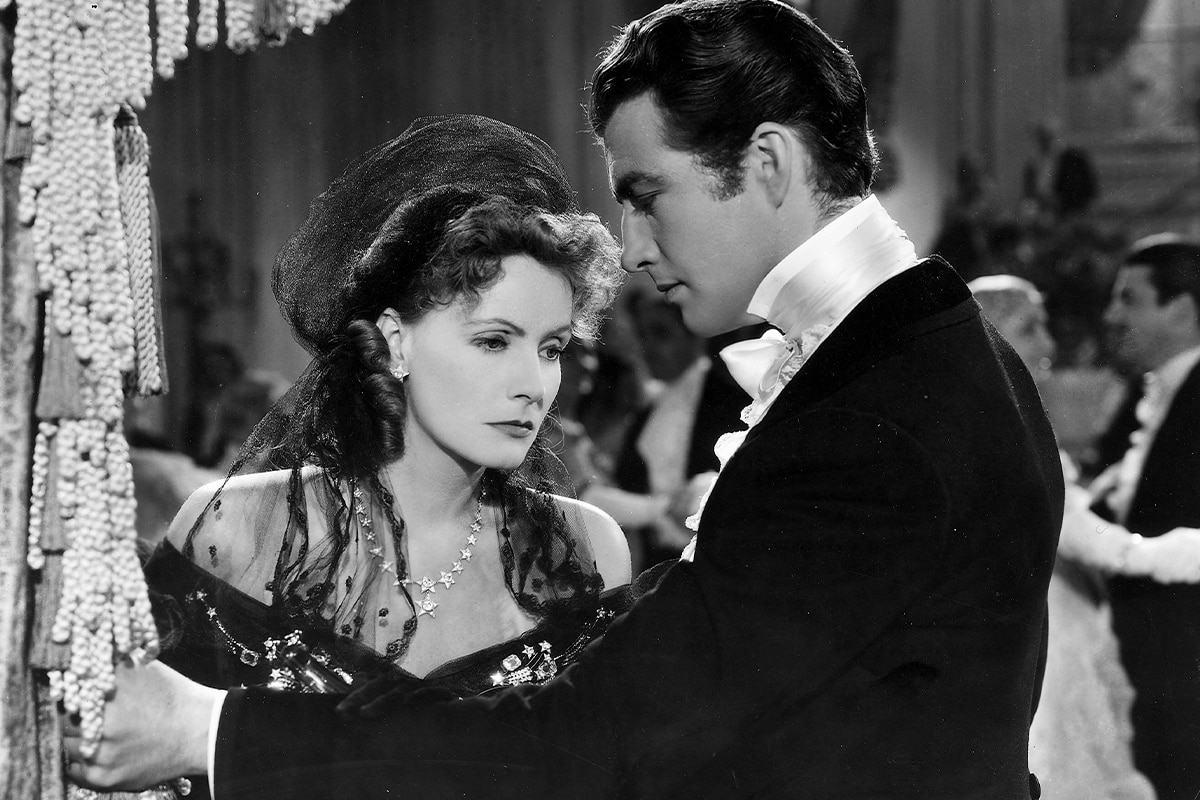
The evening features two of the four Best Actress nominations earned by Greta Garbo for Camille (1936) and Ninotchka (1939, also nominated for Best Picture and its Story and Screenplay). One of the most legendary and unforgettable stars in Hollywood history, Garbo never won a competitive Oscar but did get an honorary award in 1955.
Late night brings the TCM premiere of the quirky French romantic comedy, Amélie (2001), which garnered international fame for star Audrey Tautou. The picture was nominated for Best Foreign Language Film as well as Writing, Cinematography, Art Direction and Sound.
Oscar-winning performances are showcased in almost every night of the series. Sunday, February 15, features Estelle Parsons’s Best Supporting Actress role as Blanche Barrow, the reluctant member of the famous bank-robbing gang in Bonnie and Clyde (1967). Arthur Penn’s influential film was also nominated for Best Picture, Director, Screenplay, Cinematography, Actor (Warren Beatty), Actress (Faye Dunaway) and Best Supporting Actor nods for Gene Hackman and Michael J. Pollard. Theadora Van Runkle was also nominated for Costume Design, which had a major impact on fashion of the time. Parsons and cinematographer Burnett Guffey took home the gold.
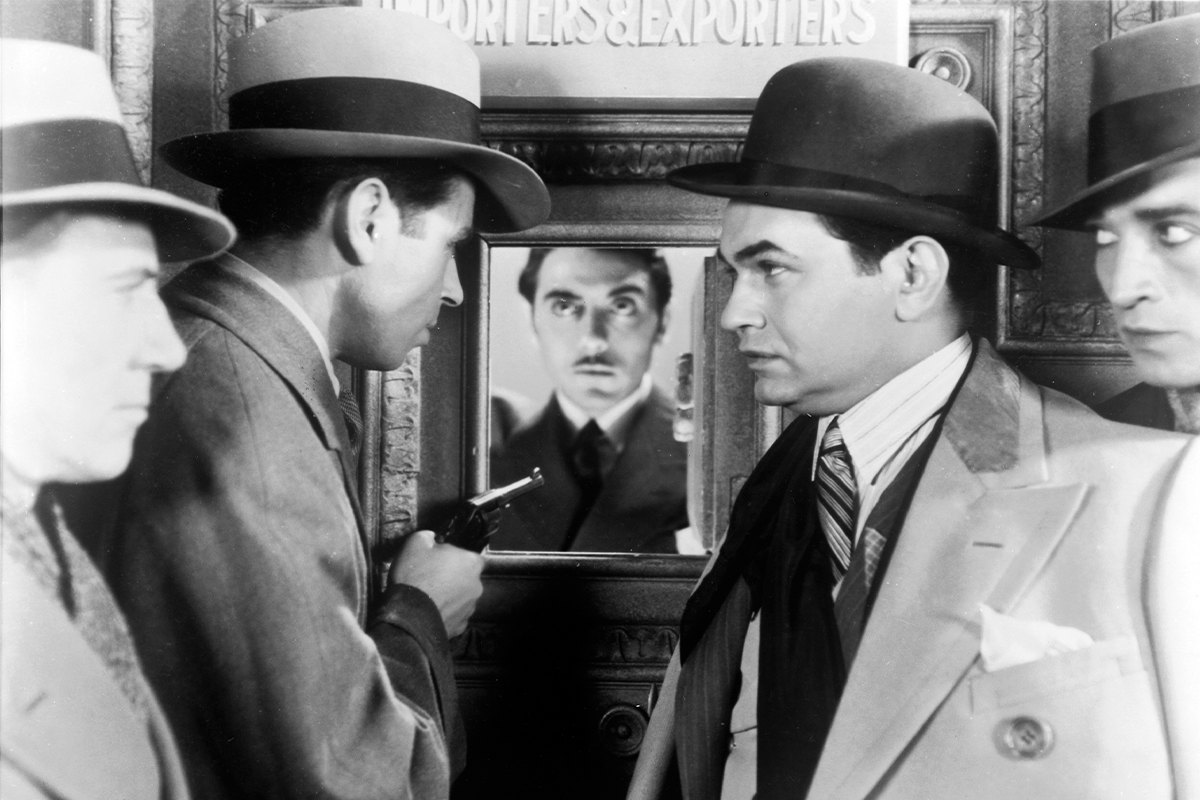
That picture, of course, fits well into the night’s theme, “Oscar Goes Bad (Crime),” a dozen crime movies that highlight some unforgettable performances, several of them Oscar nominated: Edward G. Robinson’s breakthrough role in Little Caesar (1931); Barbara Stanwyck’s cold-blooded femme fatale in Double Indemnity (1944); Al Pacino’s tender, desperate bank robber in Dog Day Afternoon (1975); and Bette Davis’s wild-eyed crime of passion in The Letter (1940).
Seven titles then cover an eclectic range of domestic tales in “Oscar Goes to a Family Reunion.” The standout here is Orson Welles’s The Magnificent Ambersons (1942). The turn-of-the-century drama still holds up remarkably well despite its butchering by producing studio RKO and the “happy” ending reshot and tacked on while Welles was working in South America. Many critics and film scholars believe that if the studio hadn’t interfered, this might have equaled or surpassed the director’s debut, Citizen Kane (1941).
The string of great performances continues February 18, when “Oscar Goes on Stage” with eight stories set in the world of theater. Best Picture of the year, The Great Ziegfeld (1936), based on the life of the legendary showman, earned Austrian actress Luise Rainer the first of her two back-to-back Best Actress awards. Morning Glory (1933) brought Katharine Hepburn the first of her four Oscars in the tale of a Broadway hopeful bearing a striking, if somewhat exaggerated, resemblance to the star’s own early-stage career.
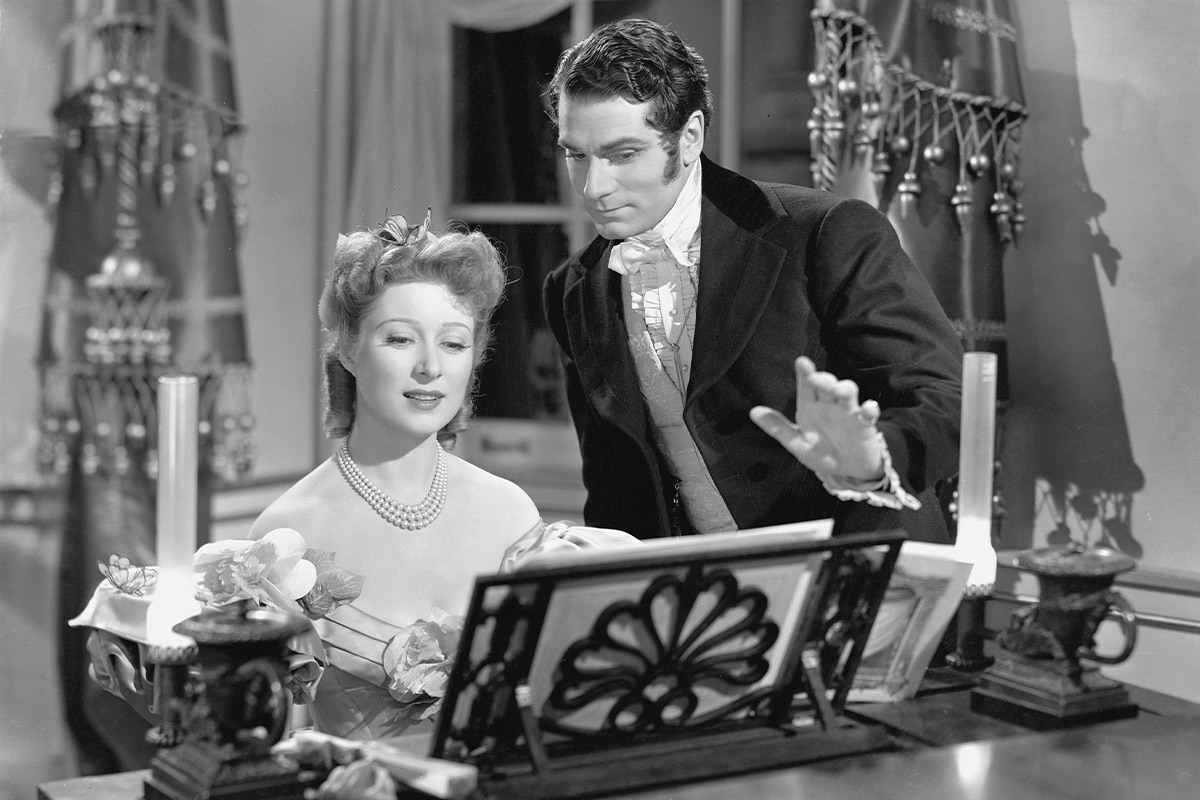
At primetime that same night, “Oscar Goes to England,” with films set among 16th-century royalty (Anne of the Thousand Days, 1969; Young Bess, 1952) and others based on works of fiction, both classic (David Copperfield, 1935; Pride and Prejudice, 1940) and contemporary (The Remains of the Day, 1993). Although these films brought acting nominations for many of their cast members, the award winner here is Rex Harrison in the lavish musical My Fair Lady (1964), recreating his stage success as Professor Henry Higgins.
Scientists, both noble and mad, take center stage when “Oscar Goes to the Laboratory” on February 20. The winning performances here come from Paul Muni in The Story of Louis Pasteur (1936) and Fredric March as both sides of Dr. Jekyll and Mr. Hyde (1931). March shared Best Actor that year with Wallace Beery in The Champ (1931), one of only six ties in Oscar history. When “Oscar Goes for a Drive” that same evening, Oscar runs into two top acting awards in two Best Picture honorees: Dustin Hoffman in Rain Man (1988) and Jessica Tandy in Driving Miss Daisy (1989).
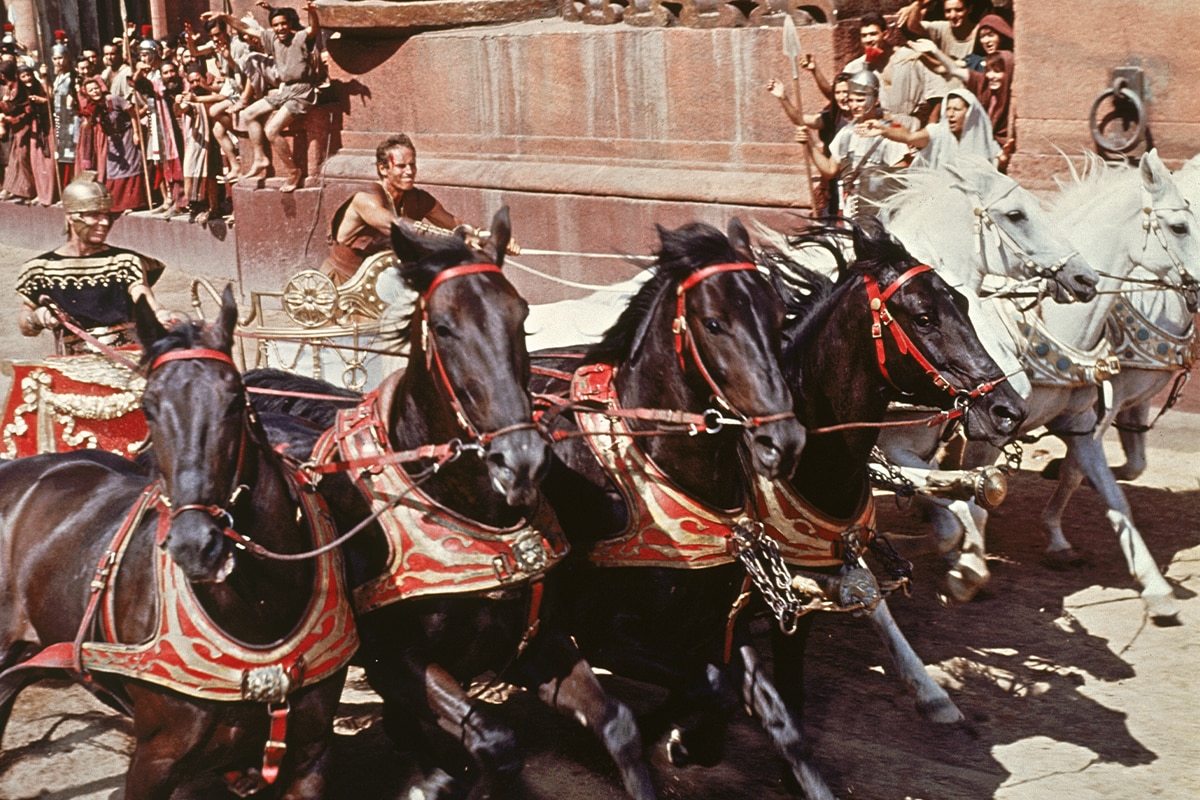
Epic performances in epic films get their due when “Oscar Goes Big (Epics),” February 21. Although a rising star in her native England, Vivien Leigh was a relative unknown to American audiences when she landed the plum role as Scarlett O’Hara in Gone with the Wind (1939), emerging as Best Actress in the year’s Best Picture. Charlton Heston brought iron-jawed determination to his award-winning title role in Best Picture Ben-Hur (1959). The sweeping historical drama/biopic Lawrence of Arabia (1962) won Best Picture, but Peter O’Toole, nominated for the first time as the eponymous hero, came away emptyhanded, as he would seven more times over his long career. His only Oscar was an honorary career achievement award in 2002.
The following night of the series, “Oscar Goes to War,” sees the greatest number of Academy acting wins: Gary Cooper in Sergeant York (1941), Alec Guinness in The Bridge on the River Kwai (1957, also Best Picture winner), George C. Scott as the military leader Patton (1970, also Best Picture of the year) and Christopher Walken, Best Supporting Actor, primarily for the harrowing, if historically questionable, Russian roulette scenes in The Deer Hunter (1978). The controversial Vietnam War drama also won Best Picture and Best Director (Michael Cimino) with acting nominations for Robert De Niro’s leading role and Meryl Streep’s supporting work.
During the day on February 23, “Oscar Goes to the Islands,” mostly in the Pacific, although one takes place in the imaginary worlds created by Jonathan Swift in his 1726 satirical novel. Gulliver’s Travels (1939), an acclaimed animated production from Fleischer Studios (home of Betty Boop, Popeye and Superman), was nominated for Original Score and Song but didn’t stand a chance in those categories against The Wizard of Oz (1939).
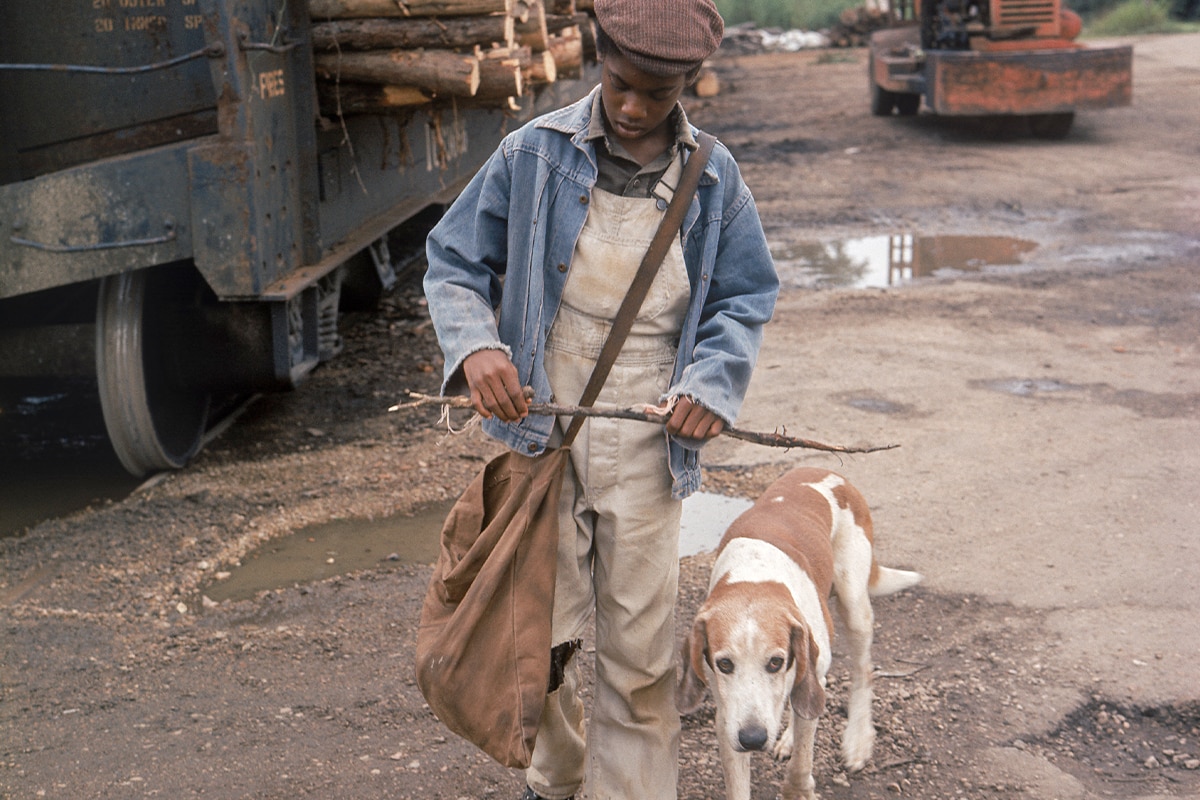
No statuettes for acting in those South Seas sagas, but in that night’s “Oscar Goes to the Dogs,” Shirley Booth won Best Actress for her film debut at age 54, agonizing over her lost pup and troubled marriage in Come Back, Little Sheba (1952), a reprise of her Tony-winning 1950 stage role. The evening features one of the best of the screwball comedies, The Awful Truth (1937). Leo McCarey won Best Director, and acting nominations went to Irene Dunne and Ralph Bellamy. But the real winner should have been Skippy the dog (aka Asta of The Thin Man series and George of Bringing Up Baby, 1938). There’s also some yeoman canine work in the title role of Sounder (1972), but no Oscar wins in its four nominated categories (including Best Picture). As the dog’s owners, Paul Winfield and Cicely Tyson made history as the first Black actors nominated in leading roles in the same film.
Hollywood’s penchant for remaking tried-and-true stories again and again is profiled on February 24, when “Oscar Goes Back for More (Remakes),” including Ingrid Bergman’s Best Actress performance as a desperate Victorian-era woman terrorized by her new husband in Gaslight (1944), adapted from a stage play and a 1940 British movie. The remake-a-thon continues the next day (“Oscar Goes Back for Even More [Remakes Continued]”) with six additional movies, including Spencer Tracy’s stab at Fredric March’s triumph in a new version of Dr. Jekyll and Mr. Hyde (1941) and Vivien Leigh’s Scarlet follow-up Waterloo Bridge (1940).
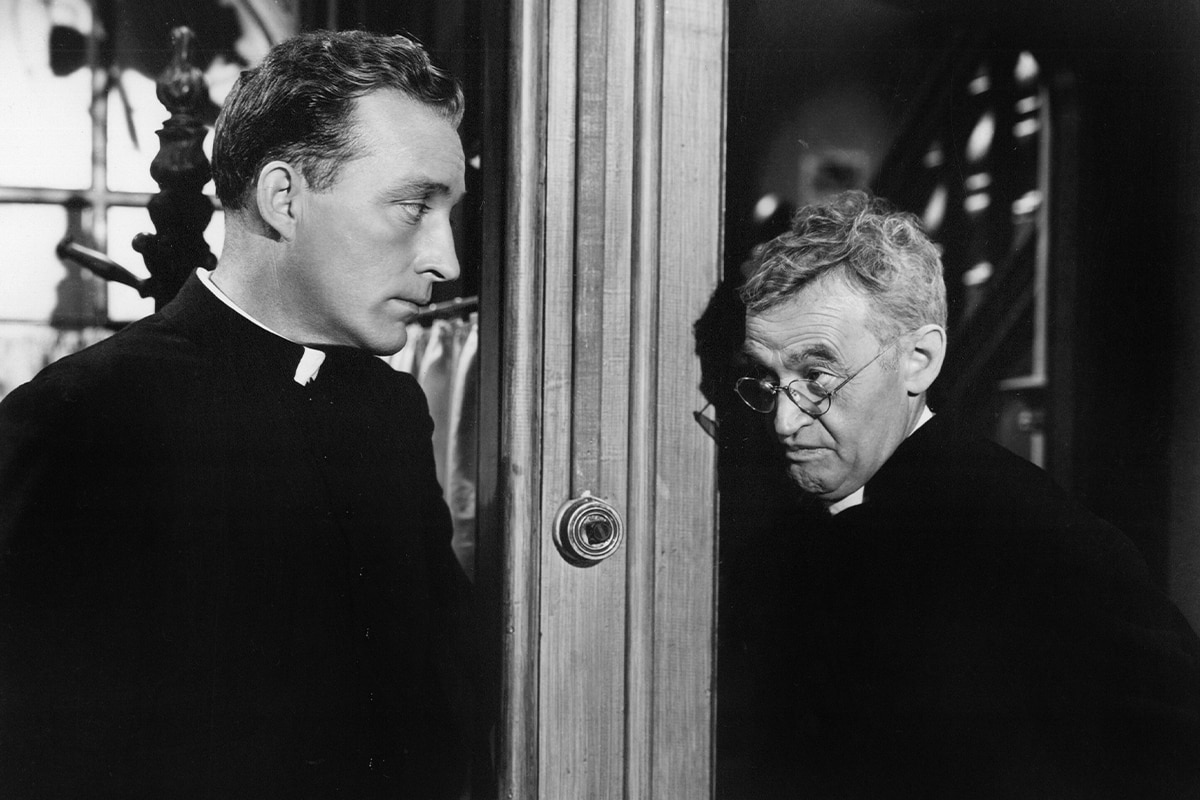
Religious figures, both sacred and profane, brought honors to the cast of three of the films gathered under “Oscar Goes to Church” the night of February 25. In the feel-good dramedy Going My Way (1944, Best Picture winner), the Academy saw fit to award Bing Crosby’s lead performance as a young priest struggling with parish problems and the resentment of his aging superior. Curiously, Barry Fitzgerald won Best Supporting Actor as the older cleric, a role for which he was also nominated as lead actor, the only such incident in Oscar history. Burt Lancaster was nominated and awarded as Elmer Gantry (1960), while Shirley Jones, better known for musicals and squeaky-clean heroines, was chosen Best Supporting Actress for her against-type performance as a vengeful prostitute. Despite Richard Burton’s masterful turn in Who’s Afraid of Virginia Woolf? (1966), it was Paul Scofield who won Best Actor as Sir Thomas More in the Tudor drama A Man for All Seasons (1966).
The remaining three days of Part I of this series are not short on Oscar-winning performances: Marlon Brando in On the Waterfront (1954, “Oscar Goes on Strike”), Audrey Hepburn for her breakthrough film Roman Holiday (1953, “Oscar Goes to Italy”), Maximilian Schell in Judgment at Nuremberg (1961, “Oscar Goes to Court”) and Thomas Mitchell in Stagecoach (1939, “Oscar Goes West”).
The single program theme where no one expects to find any acting awards, “Oscar Goes for the Facts (Documentaries)” on February 19, features five documentaries, three of which were deemed the best of their years, including The Secret Land (1948), The Times of Harvey Milk (1984) and the TCM premiere of Inside Job (2010), a kind of cinéma vérité predecessor to The Big Short (2015), detailing the 2008 financial crisis. After that acclaimed film airs at 6 p.m. ET, the evening’s programming returns to fiction with “Oscar Goes to Prison” and a look at such dramas as Papillon (1973, Best Score nominee) and Midnight Express (1978), which won for Giorgio Moroder’s score and Oliver Stone’s screenplay.
Part II of 31 Days of Oscar runs March 1-15.
