In partnership with The Film Foundation, iconic film director and classic movie lover Martin Scorsese's exclusive monthly contribution to the TCM newsletter Now Playing in October 2022.
This month, TCM is showing eight films by Nick Ray. Ray was a crucial inspiration for me and other members of my generation, and for the French New Wave before us. Jacques Rivette and Eric Rohmer both thought he was the greatest post-war American director. For François Truffaut, he was “an auteur in the best sense of the word.” And as Jean-Luc Godard put it, so simply: “The cinema is Nicholas Ray.” Godard, who just passed away at the age of 91, later dedicated his picture Made in U.S.A. to “Nick and Samuel”— Nick Ray and Samuel Fuller—“who raised me to respect image and sound.”
I never thought of Ray as a father figure. He meant something quite different to me. There were many filmmakers who inspired us with their originality and their artistry. A few of them, like Hitchcock or Minnelli, were in control of their own pictures on the one hand and masters of negotiating the Hollywood system on the other. There were people like Fuller, who made very personal films but on low budgets, so somewhat under the radar. In Nick Ray’s case, it was the dramatic presence of a completely individual artist operating deep within enemy territory that was so striking, and so encouraging.
In almost all of his pictures, there was a vein of emotion that went deeper than the plot, a kind of a secret movie within the greater movie, easily visible to anyone with a passion for cinema. They came out of Hollywood, they were definitely Hollywood pictures, but they expressed values that were very, very far from Hollywood. I really can’t even begin to describe what Ray meant to us. The program starts with Ray’s debut and Truffaut’s favorite, They Live by Night, based on Edward Anderson’s depression-era novel Thieves Like Us (later remade by Robert Altman). A Woman’s Secret and Born to be Bad, both shot after They Live by Night during Ray’s tenure at RKO (under Howard Hughes) but released first, are potboilers (I wish that they could have programmed my very favorite, Bigger Than Life).
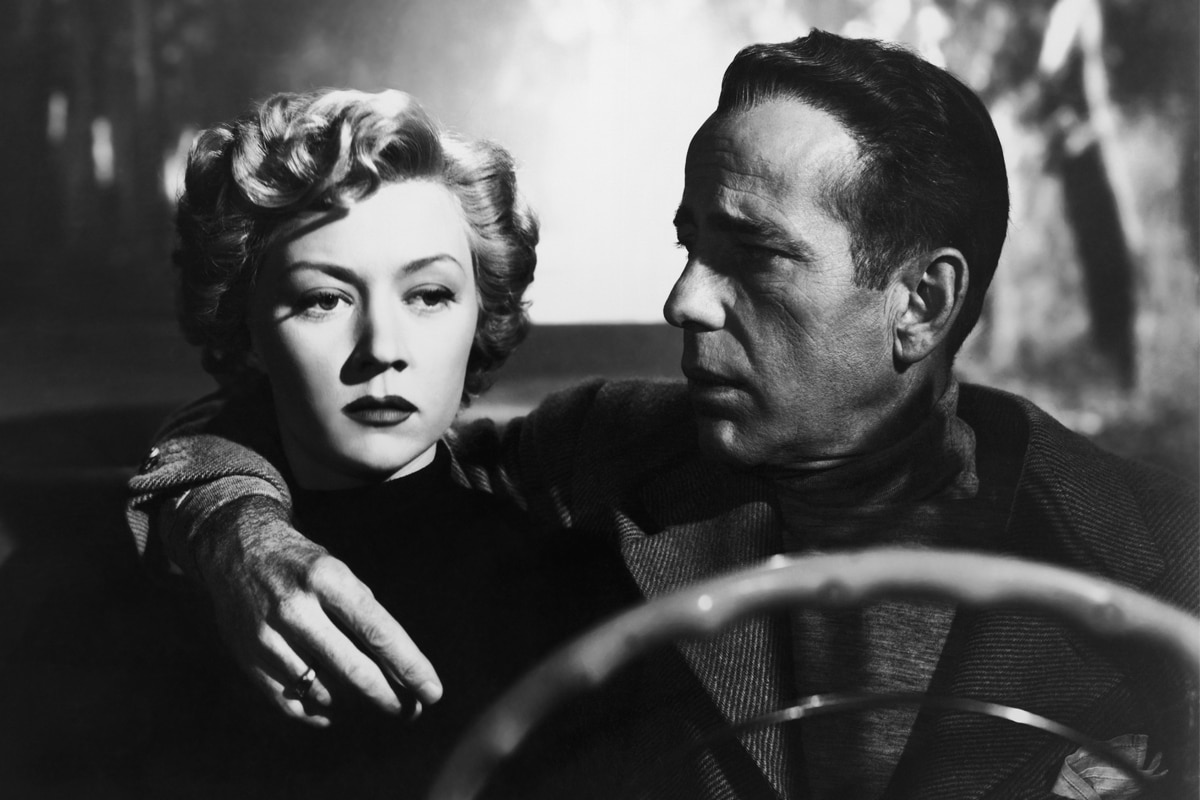
In a Lonely Place, On Dangerous Ground and The Lusty Men are three of his best films, beautiful expressions of loneliness and isolation, and close looks at subcultures and ways of life that no one else in movies was interested in approaching. Rebel without a Cause will always be Ray’s most famous film, a cornerstone of the James Dean phenomenon. There are aspects of the picture that bother me now, but there are many more moments and images that remain indelible: to have seen that film for the first time as an adolescent, on a big screen, was an experience that really marked me.
Wind Across the Everglades was a troubled production, it’s been said that Ray was in bad shape throughout, and the writer and producer Budd Schulberg reportedly directed the final scenes himself. But when you watch the film, Ray’s signature is absolutely unmistakable. It’s just as Truffaut said: Nick Ray was an auteur in the best sense of the word.
