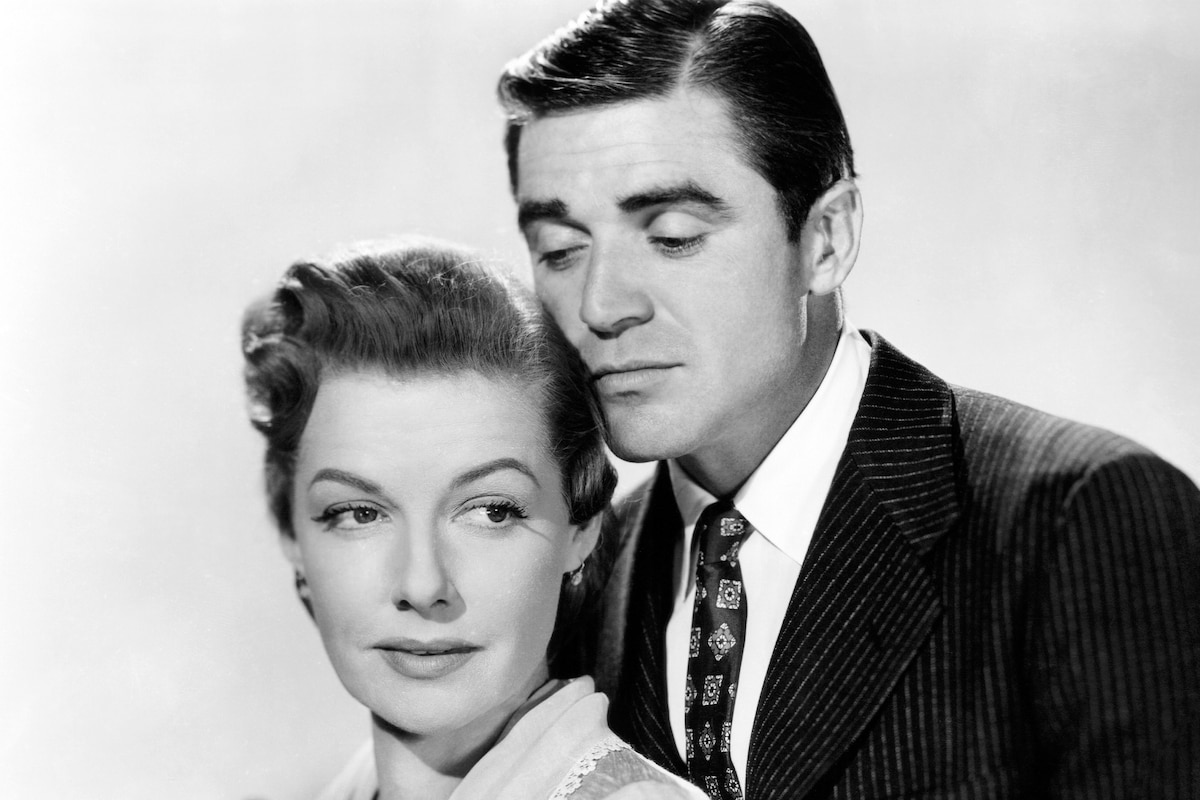
In 1955, after years of building up a potent gangster persona in such films noir as The Chase (1946), White Heat (1949) and The Damned Don’t Cry (1950), actor Steve Cochran was eager for a change of pace. He formed his own company, Robert Alexander Productions (named after his real first and middle names), and optioned a screenplay by his friend Montgomery Pittman that Cochran planned to produce and direct. Titled Come Next Spring and set in 1920s Arkansas, it’s about a recovered alcoholic who returns home after nine years to try and regain the trust and love of his estranged wife, who has been raising their two young children alone. He also must win back the acceptance of the local townspeople, nearly all of whom doubt that he has been reformed. The resulting film is a lovely, heartwarming piece of Americana that deserves to be much better known. Cochran delivers a sensitive and gentle performance that indeed proved he was capable of much more than playing heavies, but the film did not find an audience or do much for his career. Cochran produced the film at Republic, but the studio insisted on R. G. Springsteen to direct. The picture was shot in Republic’s three-color TruColor process, and the cast was filled with notable talent, starting with Ann Sheridan as Cochran’s wife. After three years away from the screen, Sheridan wanted to reset her image and career, too, but she only made two more features before turning to television roles. Also in the strong cast are Walter Brennan, Edgar Buchanan, James Best, Mae Clarke, Sonny Tufts (who had achieved brief stardom during World War II) and rising child actress Sherry Jackson, the real-life stepdaughter of writer Montgomery Pittman. Max Steiner wrote the score as well as the music for the title song (with lyrics by Lenny Adelson), which was sung by Tony Bennett. With all this talent, touching story and picturesque locations in and around Ione, California, Come Next Spring scored very positive reviews. But Republic dropped the film onto the lower half of a double bill instead of giving it a proper release. That prompted The Hollywood Reporter to run an item declaring, “Wake up, Republic. You have another Marty on your hands... Or don’t you care?” Sadly, the studio didn’t care.
by Jeremy Arnold
