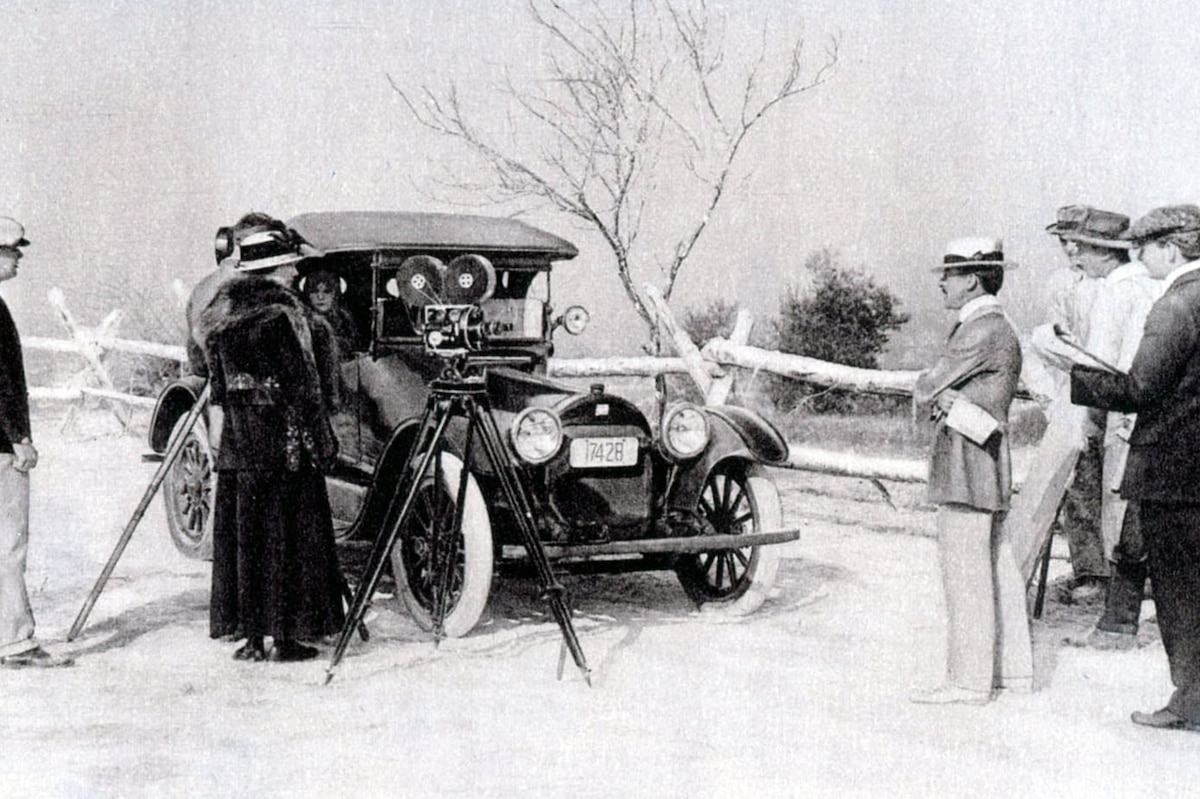
As TCM’s groundbreaking series has Women in Film illustrated, it wasn't only men who blazed the cinematic trail. The few female filmmakers in early Hollywood with the power to tell stories important to them used the medium to illuminate social issues. Here’s a look at three women who raised awareness – and sometimes hell – with their “social problem” films.
Lois Weber
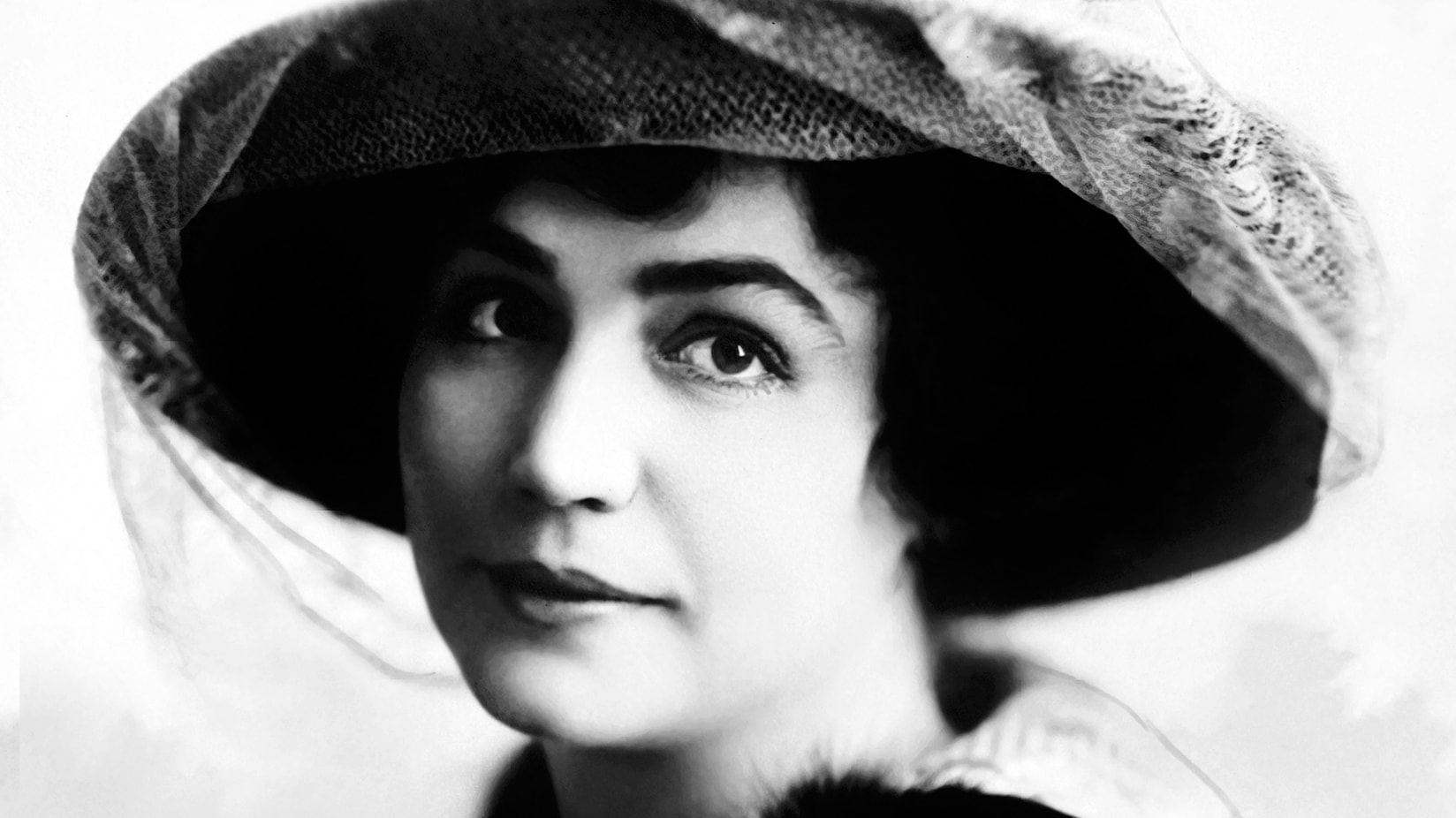
Even when on vacation, Lois Weber was “planning problem pictures by which she hopes to lend her mite [sic] towards the education and uplift of humanity,” The Billboard conveyed. She sure delivered. Weber’s 1915 feature Hypocrites, in which a nude woman represents “The Naked Truth” to expose modern society’s hypocrisy, incurred the censors’ wrath – and made Weber a household name. The film’s box-office success secured Weber and her bold moral voice creative control over future films, and she embarked on a series of “preachment” pictures addressing divisive subjects, like sexual harassment (1915’s Sunshine Molly), capital punishment (1916’s The People Vs. John Doe), poverty and working women (1916’s Shoes) and abortion and birth control (1916’s Where Are My Children? and 1917’s The Hand That Rocks The Cradle). Her pictures performed so well that Weber commanded the highest annual salary of any director, male or female, in 1917.
Produced at the height of Margaret Sanger’s birth control crusade, Where Are My Children? proved contentious but successful; a Pennsylvania censor called it “unspeakably vile,” yet it ranked as Universal’s biggest moneymaker of 1916. A committee from the National Board of Review, unsure if they should allow it to screen, polled prominent community members, and a majority supported the exhibition for adults only. Though the director should be commended for encouraging discussion of such a controversial topic, Weber biographer Shelley Stamp points out that the movie makes a classist, eugenics argument, mirroring the movement at that time. Ultimately, Where Are My Children? supports birth control – for working class women only, upper class women should still reproduce – but ultimately denounces abortion.
Ida May Park
Many of Ida May Park’s pictures, including the 14 she helmed at Universal from 1917-1920 and many of the 50 features she scripted, center on women who rise from poverty or other desolate beginnings to cinch a fairytale ending. As Jackie Perez observed in When Women Wrote Hollywood, most of Park’s films are lost, but existing documentation informs us that while romance and love reigned supreme in her movies, Park also explored socially minded issues like forced marriage, neglectful spouses and harassment.
Park’s only directorial effort to survive, in fragment only, is Bread (’18). Frequently compared to Weber’s Shoes, another societal-minded feature starring Mary MacLaren, Bread follows a woman navigating the big city on her own and trying to make her dreams come true as she contends with issues of poverty, power imbalance and the manipulation she faces from men.
Dorothy Davenport Reid
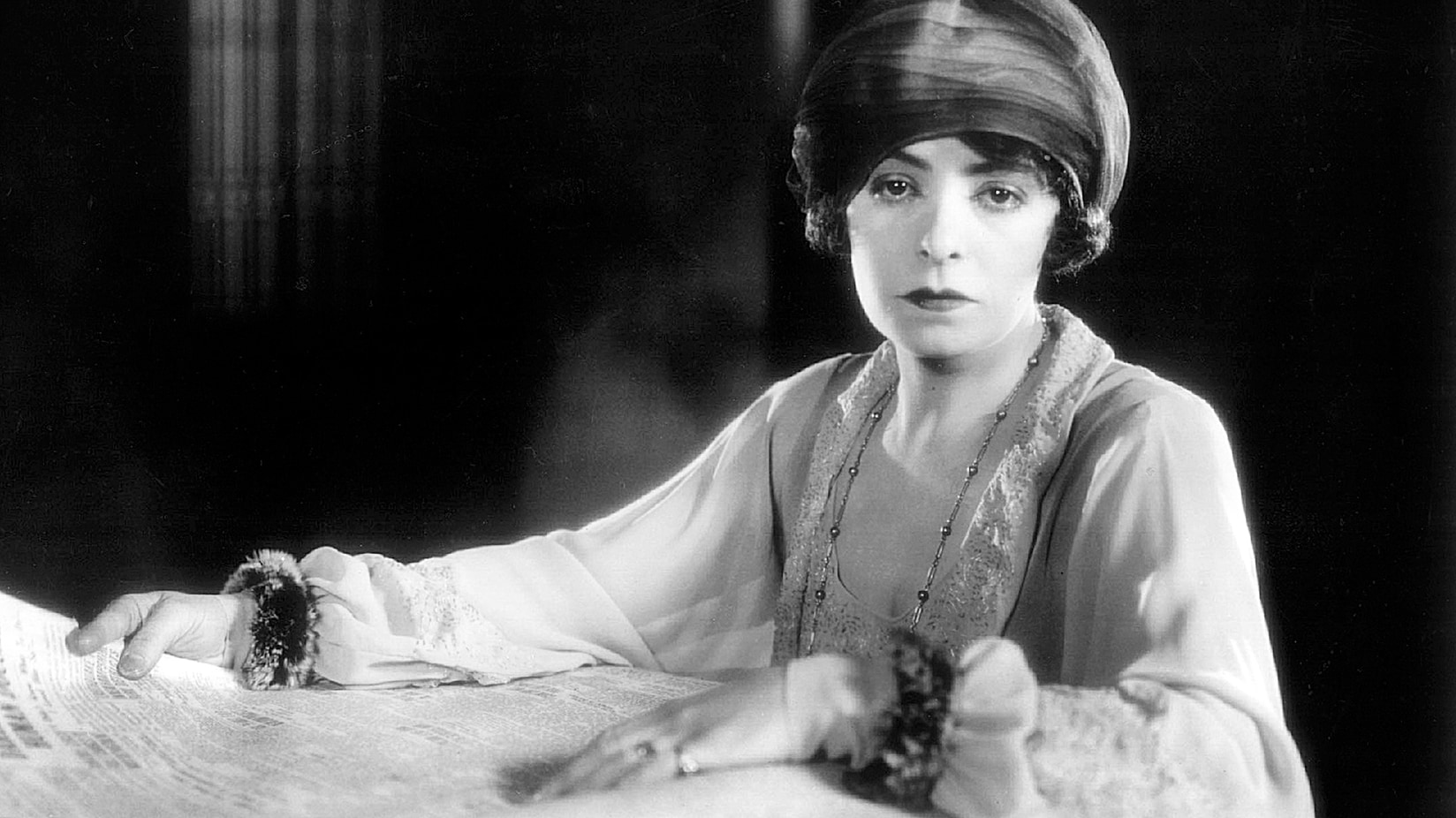
Following the tragic January 1923 death of husband Wallace Reid from complications related to morphine addiction (initially prescribed by studio doctors after an accident), actress Dorothy Davenport Reid established her own production company for the sole purpose of creating socially conscious pictures. After attending a conference on narcotics, Mrs. Wallace Reid began work – uncredited as director and writer – on Human Wreckage (’23), a now-lost film that frankly depicted drug usage and addiction.
As Karen Ward Mahar wrote in Women Filmmakers in Early Hollywood, Mrs. Reid was a “showman.” With alarming scenes intended to shock audiences and Reid appearing onscreen entreating viewers to help in the fight against narcotics, Human Wreckage emerged as one of the first exploitation pictures. The movie performed well, particularly because Reid made in-person appearances at theaters and curious fans flocked to see what she crafted in her husband’s memory. Reid followed it up with Broken Laws (’24), which explored juvenile delinquency and parental authority, and The Red Kimono (’25), about a woman tricked into prostitution. While The New York Times dismissed the latter as “intended to cause weeping, wailing and gnashing of teeth,” poor reviews were the least of Reid’s worries. Journalist Adela Rogers St. Johns based the source material for The Red Kimono on an actual trial she covered, but in dramatizing the case, she failed to change the real woman’s name. Thus, Gabrielle Darley successfully sued Reid for violating her privacy, forcing her to shutter her production company, though Reid continued producing for Poverty Row studios through the late 1930s.
The Supreme Court's landmark 1915 Mutual Film Corporation ruling denied movies protection under the First Amendment, prompting censorship legislation in several states and ultimately encouraging the industry to approach cinema as entertainment. However, the work of these three women, as well as others who explored divisive topics like Lule Warrenton (racial prejudice in 1916’s When Little Lindy Sang) and Ida Lupino (rape in 1950’s Outrage), laid the groundwork for future female filmmakers to challenge and change minds through cinema.
