In partnership with The Film Foundation, iconic film director and classic movie lover Martin Scorsese's exclusive monthly contribution to the TCM newsletter Now Playing in August 2020.
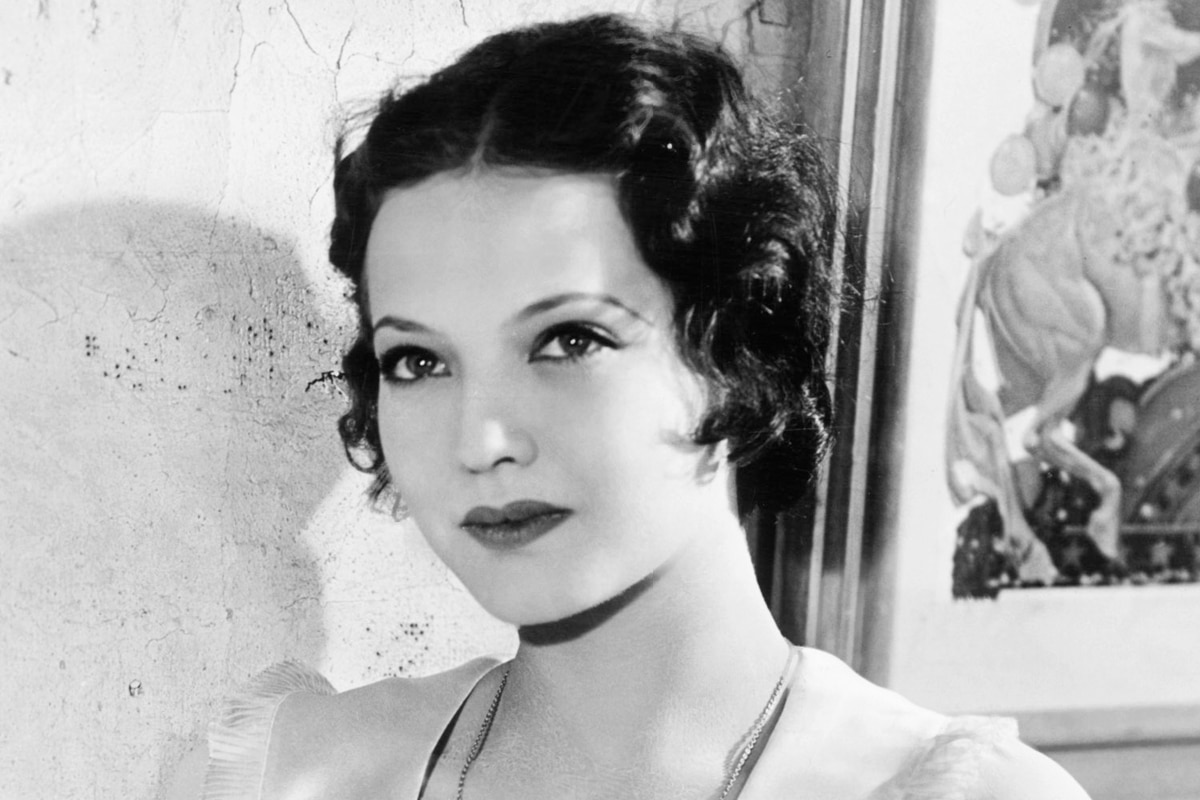
Every August, TCM does its annual Summer Under the Stars festival, a month of programming devoted to one star a day. It offers the viewer a very interesting way of revisiting the work of certain actors, looking with new eyes at what they meant at the time of their stardom. With rare exceptions, most actors who become stars are fixed with a certain moment in time. For Sylvia Sidney, it's the early to mid-'30s.
Of the 14 films in her program, only three were made after the '30s. With a face that seemed to have been made for close-ups, she came to embody something very particular to the era: the tragedy of poor, working women whose trust is either violated or completely shattered. George Raft, who emerged around the same time and who co-starred with Sidney in one of three pictures she made for Fritz Lang (You and Me, 1938), was certainly not the actor that Sidney was--Raft was actually trained as a dancer, and Fred Astaire said that he did the fastest Charleston he ever saw. But like Sidney, Raft had an onscreen presence that came right off the New York streets (Sidney grew up in the Bronx, Raft in Hell's Kitchen). Raft was cast quite often as gangsters, but in They Drive By Night (1940) and Manpower (1941), both directed by Raoul Walsh and both very special, he plays a truck driver and a power line repairman: two guys just trying to get by. Those pictures were made in the early '40s, but they seem linked in spirit with Sidney's great films for Lang and Wyler and Mamoulian: they're final emanations from the depression, just before we went to war. Unlike Sidney and Raft, Barbara Stanwyck had one of the longest stretches of stardom in movies--for almost 50 years she changed with the times.
The selections in her program cover just two decades, from the mid-'30s to the mid-50s, but they give you a sense of her particular mixture of drive and adaptability. She was a great actress and a fearless one, but the changes in her onscreen presence add up to more than an ability to shift from melodrama to comedy to psychodrama. The Stanwyck of Annie Oakley (1935), of Ball of Fire (1941), of Double Indemnity (1944), of Clash By Night (1952) and Crime of Passion (1956) almost seem like five different actresses, sisters with slightly varying temperaments playing to and representing vastly different moments in the country. With Warren Beatty, who trained with Stella Adler, the balance has shifted and the actor is playing an extremely different and more collaborative role in the creative process, leading to producing and eventually to directing, and to pursuing and portraying states of mind and emotional registers, in pictures like Splendor in the Grass (1961, his debut) or Lilith (1964) or Bonnie and Clyde (1967) or McCabe & Mrs. Miller (1971) that felt, and to a certain extent still does feel, as different from the pictures of Sidney and Raft's heyday as night is from day.
