Episode Six: The Attack of Small Screens (1950-1960)
Monday Dec. 6 at 8 pm & 11 pm ET
Wednesday Dec. 8 at 10 pm ET
Monday Dec. 13 at 7 pm ET
During the 1950s, with the nation enjoying a
new prosperity and television providing fierce
competition, the reign of the old moguls began a
long decline. The movies needed new ideas that
went beyond 3-D, widescreen processes and
stereophonic sound. Dore Schary became the new
production head at MGM, and by 1951 L. B.
Mayer was forced out of his own company.
(Schary himself soon would follow.) At Warner
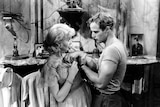
Bros., a hot new director named Elia Kazan
brought earthy realism to the screen with such
films as A Streetcar Named Desire (1951) and On the
Waterfront (1954). An ominous atmosphere was
created by the anti-Communist blacklist, poisoning
a tough business where reputation was everything.
In 1958 Stanley Kramer produced and directed
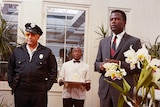
The Defiant Ones, which gave Sidney Poitier above the-title billing and created the first African-American superstar. While such stars as Elizabeth Taylor and Montgomery Clift had some
of the old glamour, a new and bolder breed was
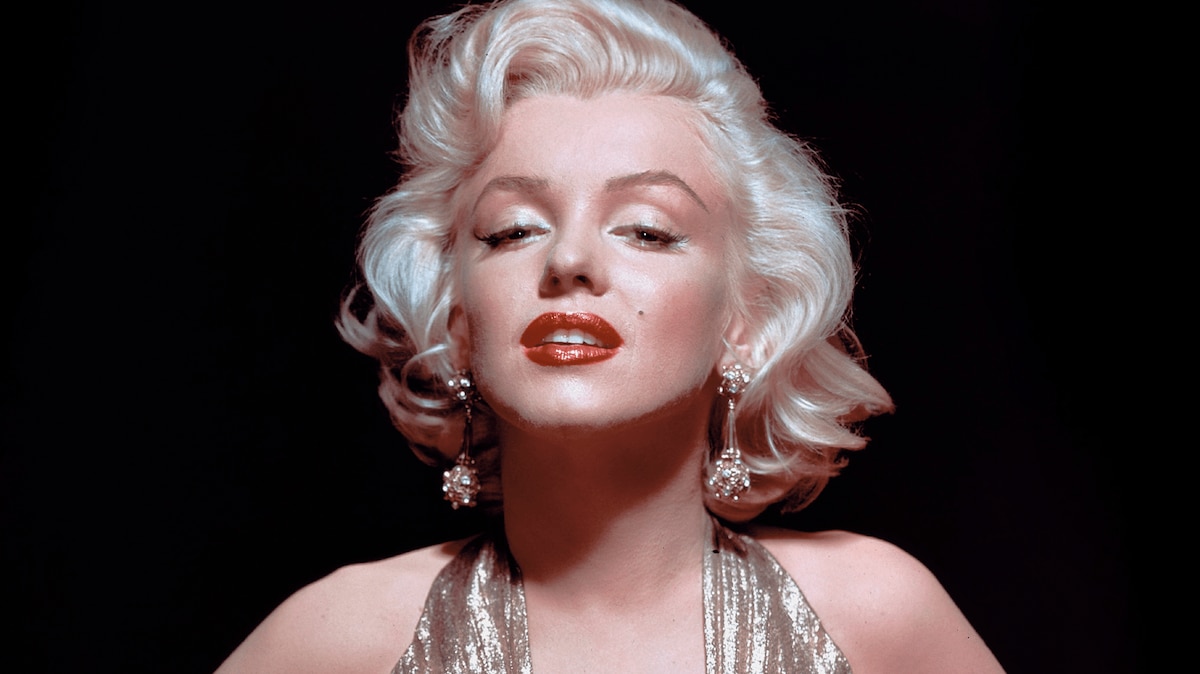
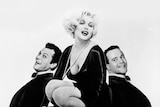
represented by Marlon Brando, Marilyn Monroe
and James Dean. By the end of the 1950s, Louis B.
Mayer and Harry Cohn had died and Jack Warner
was losing his grip on power. Only Zanuck at 20th
Century Fox and Zukor at Paramount held on, but
even more radical changes lay ahead.
Joel McCrea Westerns Collection


TCM Shopping