Episode Five: Warriors & Peacemakers (1941-1950)
Monday Nov. 29 at 8 pm & 11 pm ET
Wednesday Dec. 1 at 10 pm ET
Monday Dec. 6 at 7 pm ET
When the U.S. entered World War II, movies
became a powerful means of promoting patriotism,
not only through overt propaganda but through
films that rallied support while also entertaining.
Some directors of the era, including Howard
Hawks and Raoul Walsh, were as hard-bitten as
their subject matter, while such filmmakers as Billy
Wilder and Preston Sturges added an edge of
humor and Orson Welles created his masterpiece,
Citizen Kane (1941). Many male stars served in
uniform while John Wayne seemed to be winning
the war almost single-handedly onscreen.
Directors such as George Stevens, John Ford and
John Huston saw combat first-hand and created
powerful documentaries, as did
Frank Capra. When the war finally ended,
producer Samuel Goldwyn and director William
Wyler summed up the country's uncertain
optimism with The Best Years of Our Lives (1946).
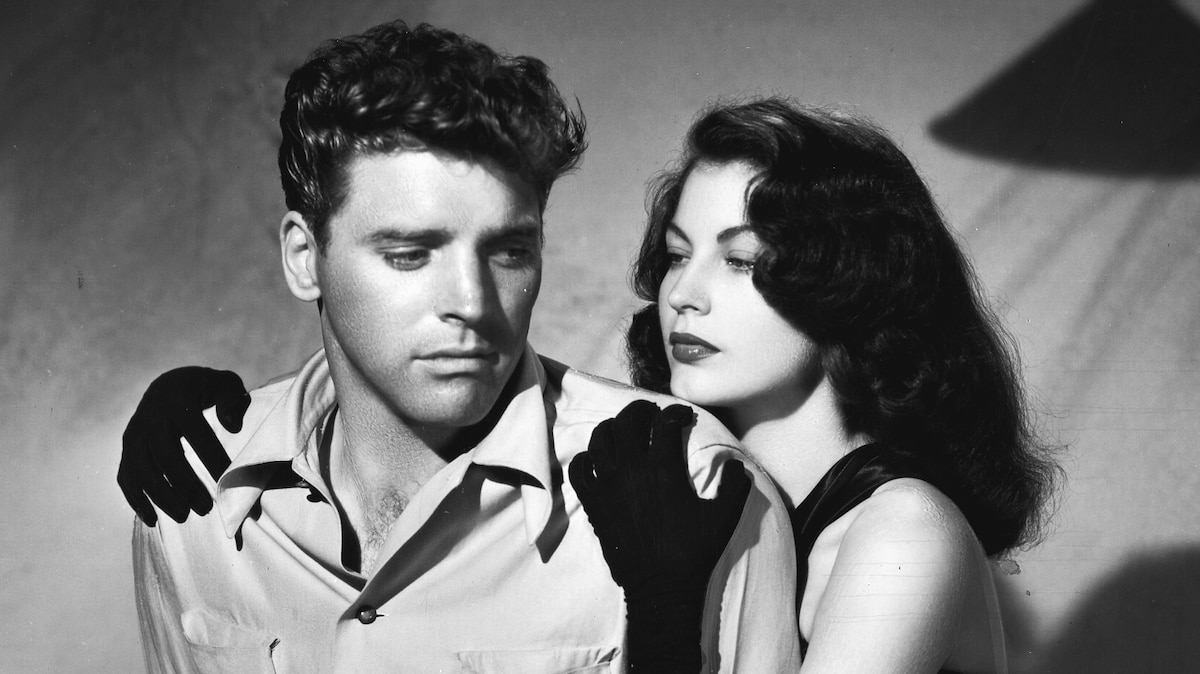
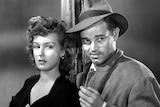
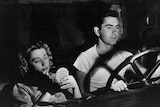
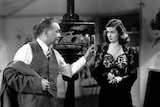
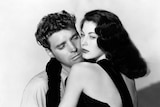
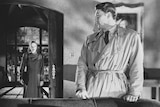
A darker tone was conveyed by the shadowy world
of film noir and the examination of such topics as
anti-Semitism (Gentleman's Agreement, 1947) and
racism (Home of the Brave, 1949). The business
environment was also changing. Actress Olivia de
Havilland challenged the studio contract system
and won, and in 1948 the Hollywood moguls had
to face the breakup of the old monopoly that
allowed control of both film production and
theaters. As the decade came to a close, a
formidable new competitor loomed on the horizon.
Joel McCrea Westerns Collection


TCM Shopping