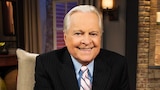
Robert Osborne on Constance Bennett
If you're not as familiar with Constance
Bennett, our TCM Star of the Month for November,
as you are with many of her contemporaries--
that group of well-known ladies that includes the
likes of Myrna Loy, Irene Dunne, Jean Arthur,
Claudette Colbert and even Connie B's own sister
Joan Bennett--it's Connie herself who is basically
to blame. Constance Bennett had starring roles in
some 50 films, but only two of them are well
remembered today: David O. Selznick's 1932
What Price Hollywood? and 1937's Topper, a
comedy in which she and Cary Grant play
fashionable martini-loving ghosts. It's not that she
didn't go after better material, but neither did she
demand better. Instead, her credit sheet is full of
dozens of angst-driven romantic dramas that were
the real Constance Bennett forte, the titles often
wildly similar (Born to Love, After Tonight, After
Office Hours, Outcast Lady, Lady with a Past).
They usually featured Connie as a good egg who
got a raw deal from some shady lug but, in the
final scene, managed to triumph over all those
who "did her wrong."
In the process, she was inevitably sharp, quick-witted, outspoken and earnest, and she always put on "a good show." That's basically all the public wanted from this angular beauty with the husky voice, as long as it eventually included trappings of glamour (a great Bennett staple) and the high-style new fashions.
It wasn't long before Bennett's colorful personal life began to overshadow her acting career: at one point she was splashed across newspaper headlines married to a Marquis (Henri de la Felaise) who had recently been the husband of Gloria Swanson; Gilbert Roland also became one of Bennett's five husbands; and by 1931 (at the height of the Depression), when she was signed to a two-picture deal by Warner Bros. for $300,000, she became the highest paid film performer in all of Hollywood.
After that, it became more about "the deal" than the material. Always a great favorite of the moguls who made the big decisions, Connie B. was often the only woman present at weekly poker sessions with the likes of moguls Darryl F. Zanuck and Sam Goldwyn. In one instance, Zanuck--always an avid Connie Bennett fan--offered her the role in his 1947 Gentleman's Agreement, which later won a supporting actress Academy Award® for Celeste Holm; Bennett, in a gambling mood, held out for so much money for the part that Holm got the role (and the Oscar®). She never batted an eye over the loss. A fascinator with a mind of her own, we'll be highlighting Connie Bennett in 22 of her films this month.
A favorite CB story: after she was off screen for 15 years, producer Ross Hunter convinced Bennett to make a comeback playing the mother-in-law of Lana Turner in the 1965 remake of Madame X. Lana was 41 at the time; Bennett was 60. Without saying anything to anyone, Bennett showed up for the first day of shooting with a brand new face-lift, looking considerably younger than the lady playing her daughter-in-law. Oh, yes, word immediately spread like wildfire that "Connie Bennett's back in town!"
by Robert Osborne
In the process, she was inevitably sharp, quick-witted, outspoken and earnest, and she always put on "a good show." That's basically all the public wanted from this angular beauty with the husky voice, as long as it eventually included trappings of glamour (a great Bennett staple) and the high-style new fashions.
It wasn't long before Bennett's colorful personal life began to overshadow her acting career: at one point she was splashed across newspaper headlines married to a Marquis (Henri de la Felaise) who had recently been the husband of Gloria Swanson; Gilbert Roland also became one of Bennett's five husbands; and by 1931 (at the height of the Depression), when she was signed to a two-picture deal by Warner Bros. for $300,000, she became the highest paid film performer in all of Hollywood.
After that, it became more about "the deal" than the material. Always a great favorite of the moguls who made the big decisions, Connie B. was often the only woman present at weekly poker sessions with the likes of moguls Darryl F. Zanuck and Sam Goldwyn. In one instance, Zanuck--always an avid Connie Bennett fan--offered her the role in his 1947 Gentleman's Agreement, which later won a supporting actress Academy Award® for Celeste Holm; Bennett, in a gambling mood, held out for so much money for the part that Holm got the role (and the Oscar®). She never batted an eye over the loss. A fascinator with a mind of her own, we'll be highlighting Connie Bennett in 22 of her films this month.
A favorite CB story: after she was off screen for 15 years, producer Ross Hunter convinced Bennett to make a comeback playing the mother-in-law of Lana Turner in the 1965 remake of Madame X. Lana was 41 at the time; Bennett was 60. Without saying anything to anyone, Bennett showed up for the first day of shooting with a brand new face-lift, looking considerably younger than the lady playing her daughter-in-law. Oh, yes, word immediately spread like wildfire that "Connie Bennett's back in town!"
by Robert Osborne


TCM Shopping